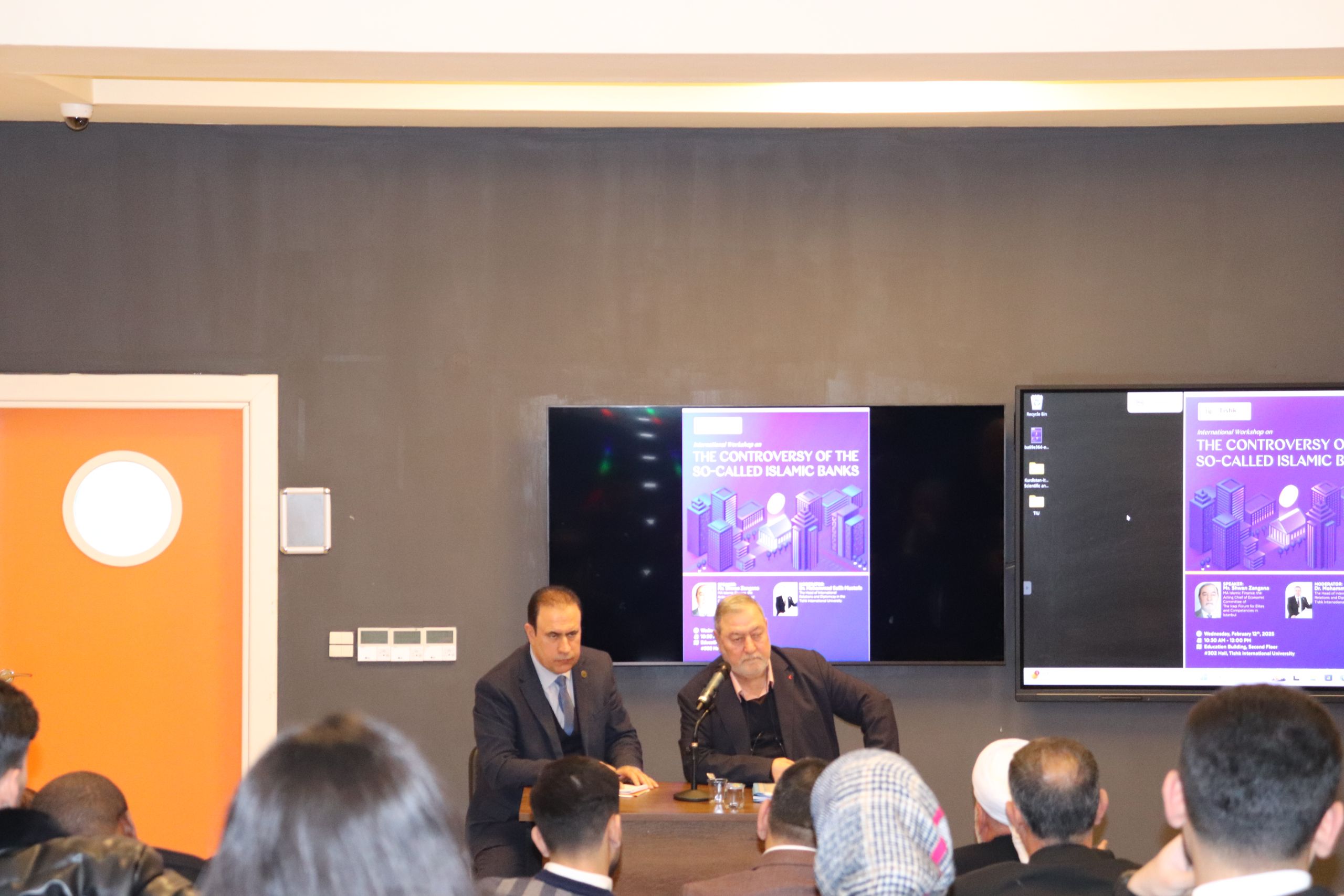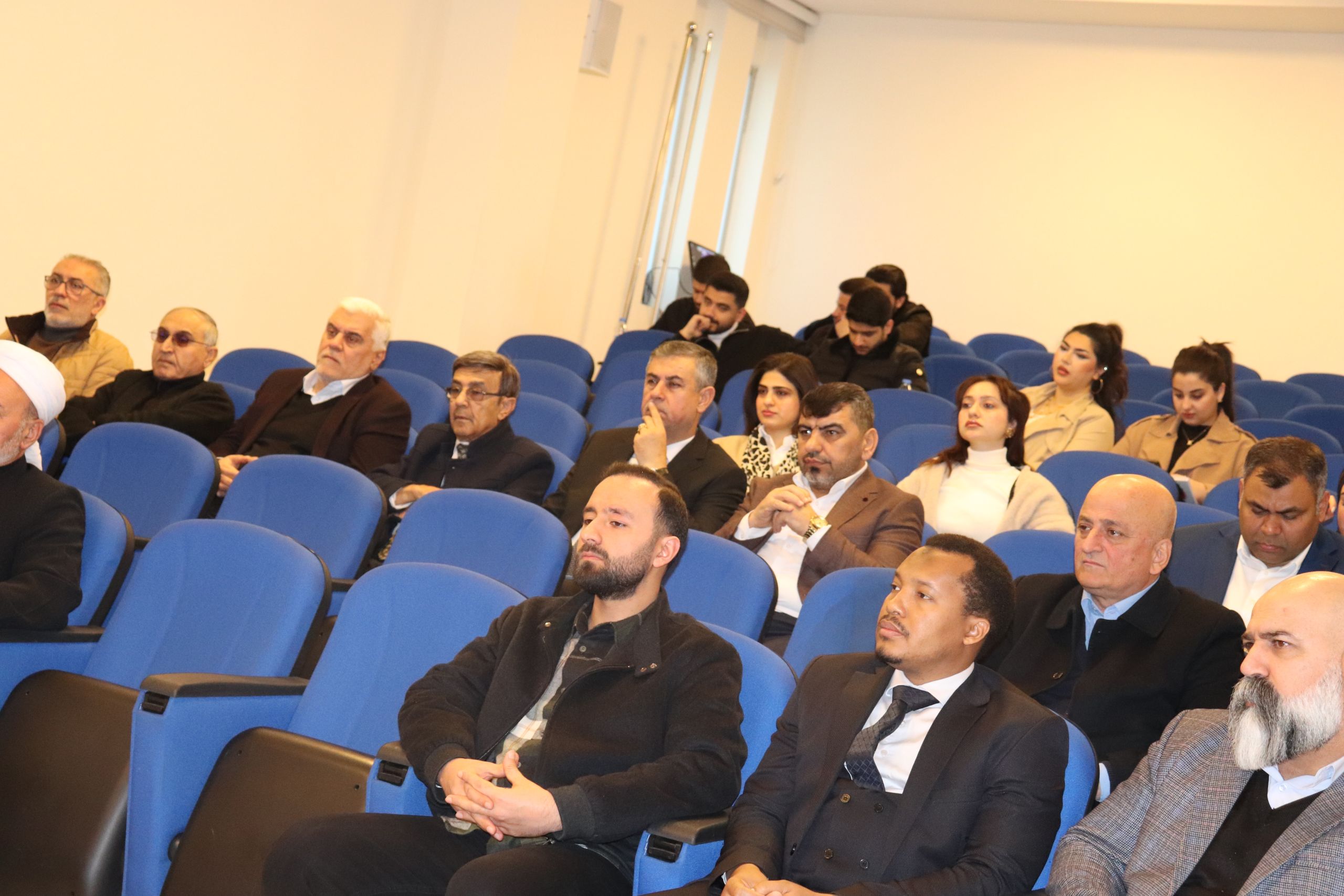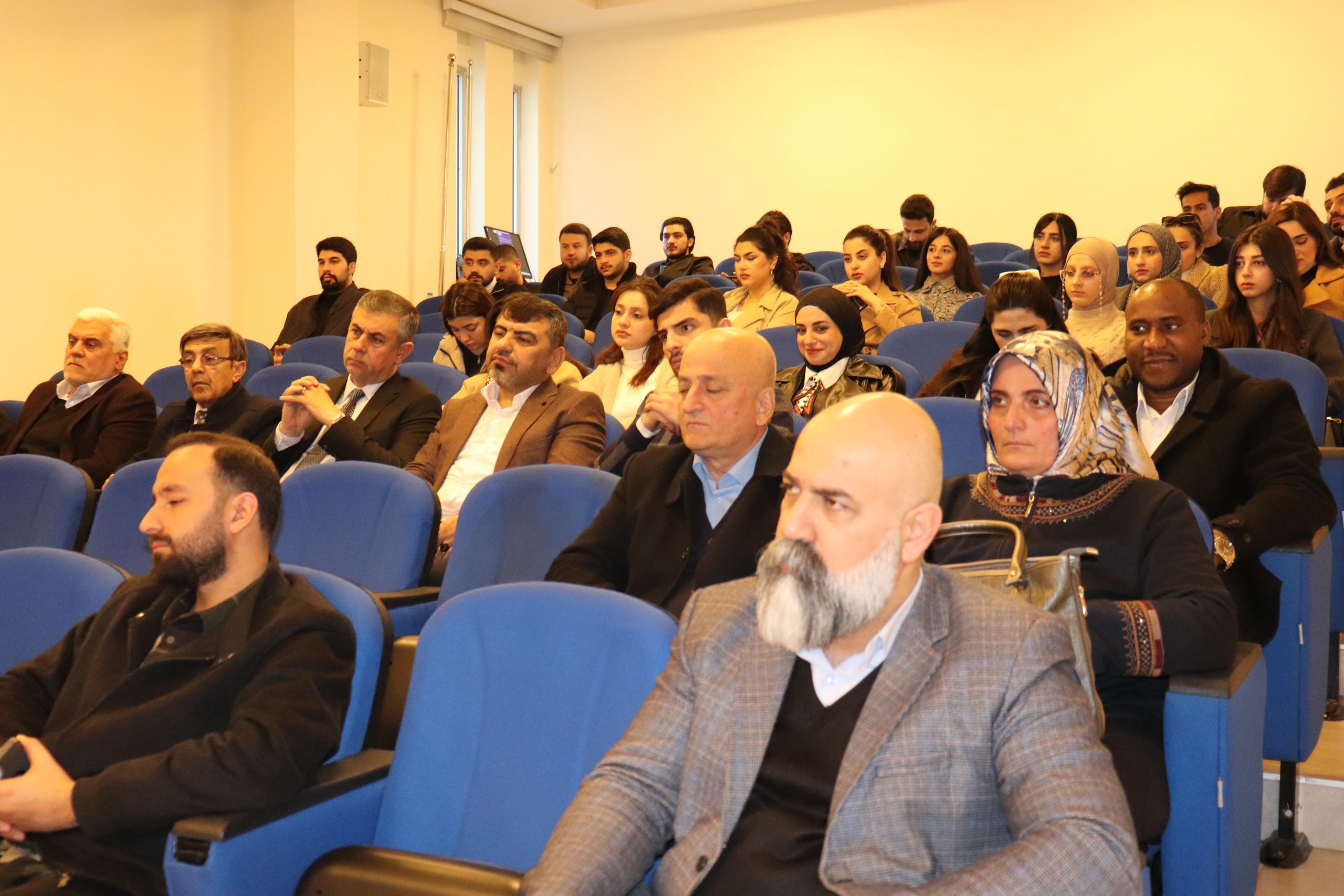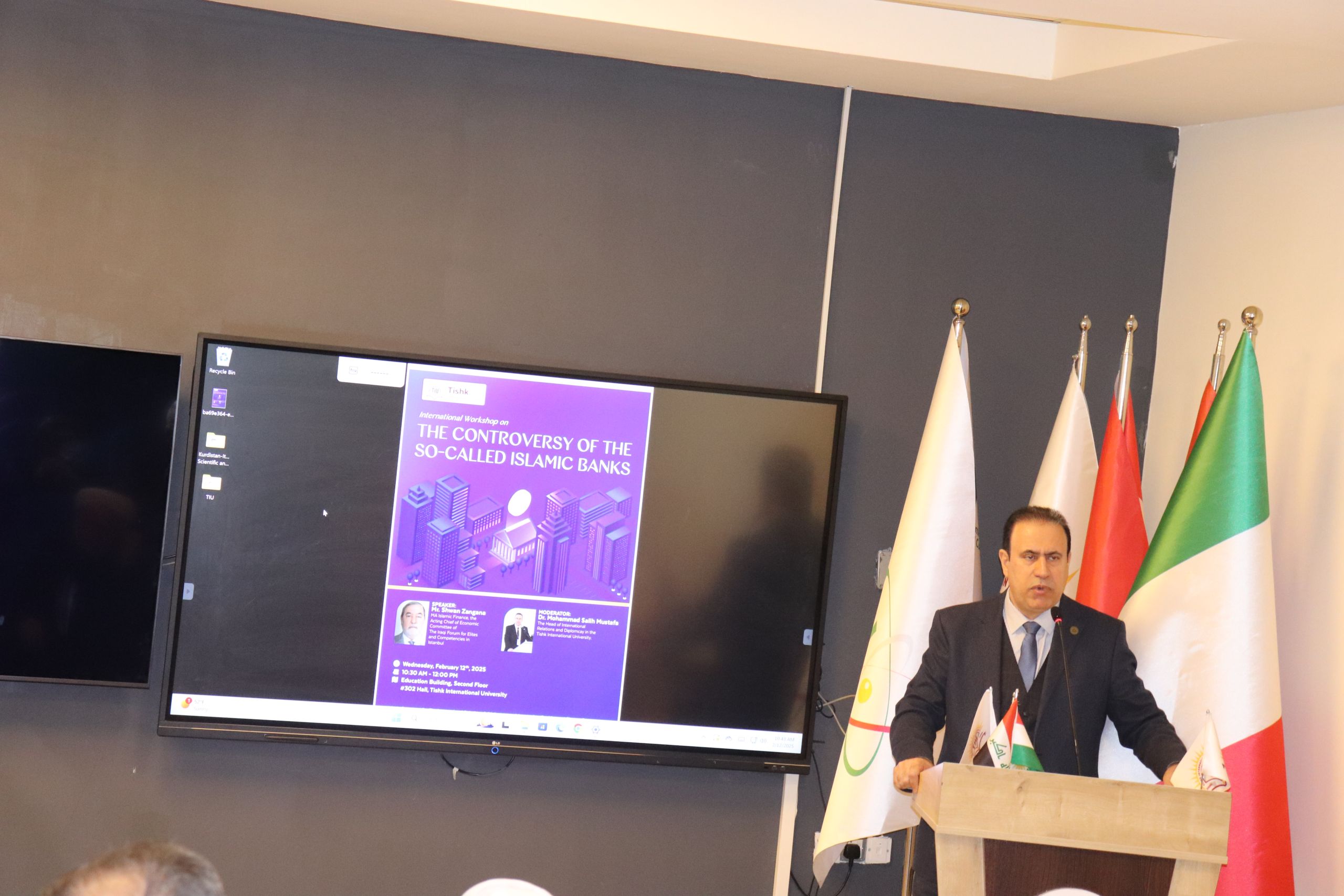
On Wednesday, February 12, 2025, the Departments of Banking and Finance, Accounting, and International Relations and Diplomacy at Tishk International University (TIU) hosted a workshop titled “The Controversy of the So-Called Islamic Banks.” The event ran from 10:30 AM to 12:45 PM and brought together students, academics, clerics, journalists, and business professionals.
The workshop was led by Mr. Shwan Zangana, an expert in Islamic Finance. The session was moderated by Dr. Mohammad Salih Mustafa, Head of the International Relations and Diplomacy Department.
Key Discussions
In the first session, Mr. Zangana compared the core functions of conventional and Islamic banks. He then presented his critiques of Islamic banking practices, questioning their alignment with Islamic principles and their claims of being truly “Islamic.” This sparked curiosity and set the stage for deeper discussions.
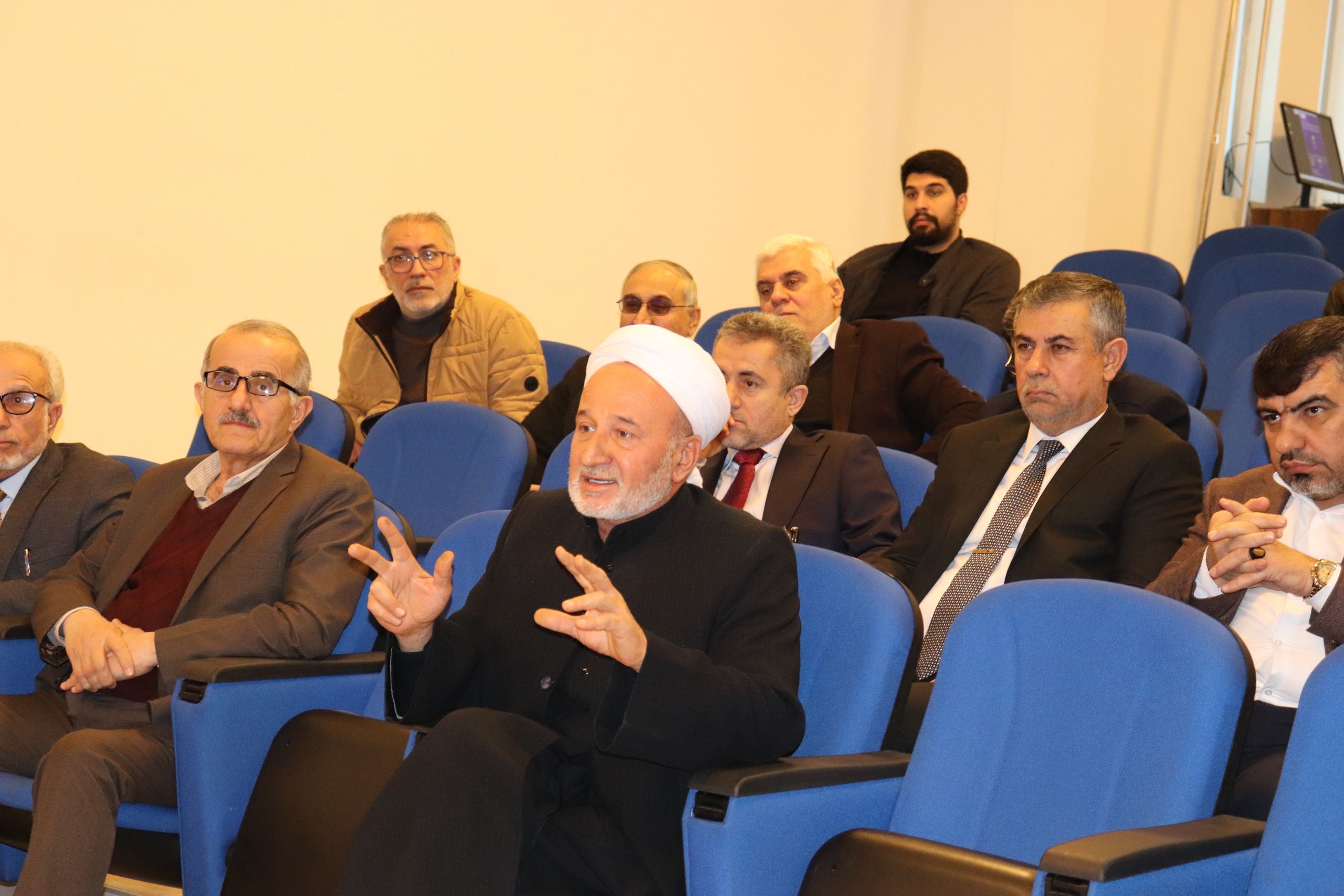
Following a coffee break, Mr. Zangana continued by exploring the controversial aspects of Islamic banking through the lenses of conventional banking systems, legal frameworks, and Islamic jurisprudence. This was followed by a spirited and intellectually stimulating Q&A session where Mr. Zangana addressed each comment and criticism with well-reasoned responses.
Recommendations and Conclusion
In his concluding remarks, Mr. Zangana proposed several recommendations, including transforming Islamic banks into investment companies, re-evaluating the concept of interest rates, and revisiting the Islamic understanding of usury (riba) as derived from the Quran and the traditions of the Prophet (Sunnah).
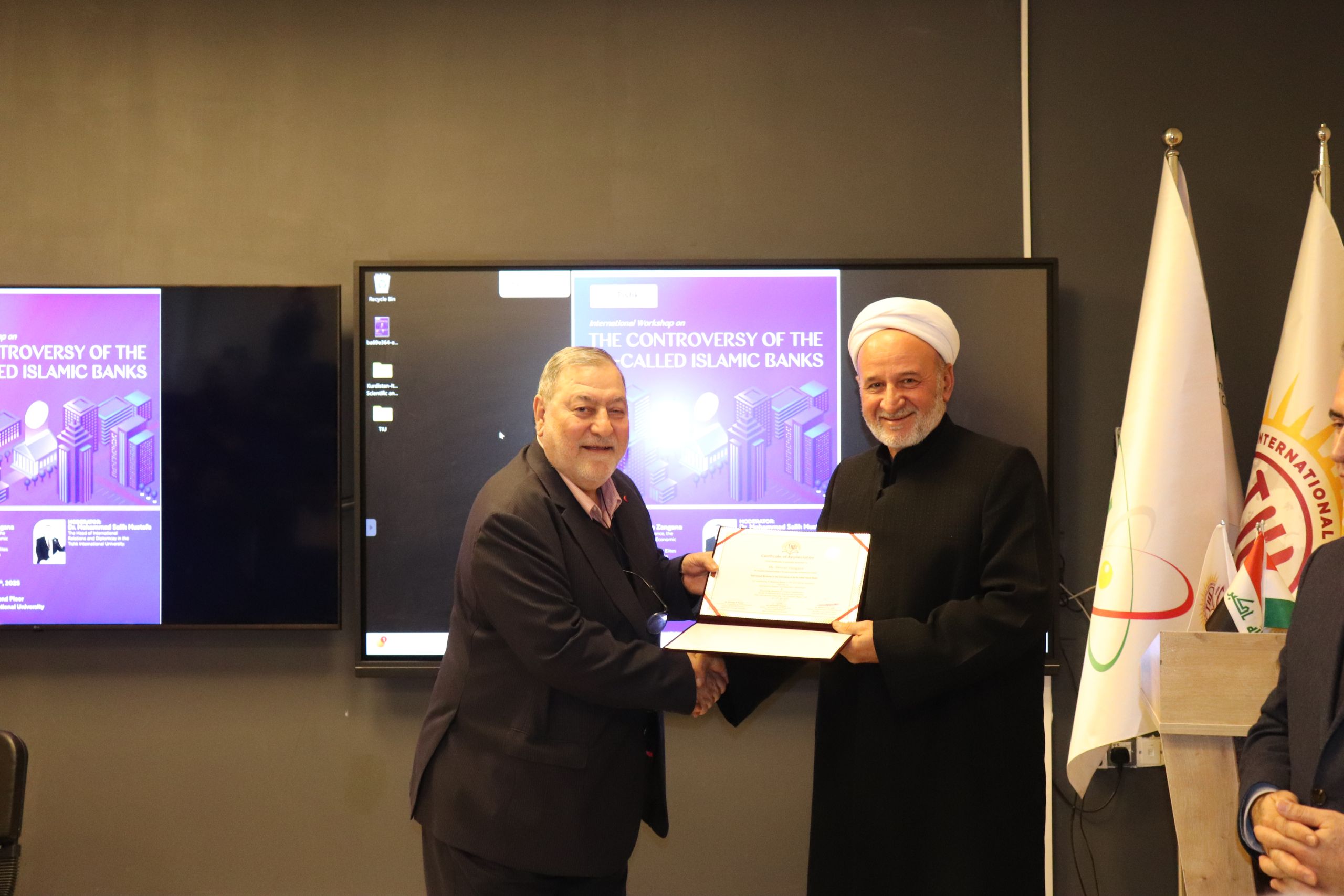
The workshop concluded with certificates of appreciation presented to Mr. Zangana and Dr. Mustafa. The event not only shed light on a complex and often-debated topic but also fostered a sense of community and intellectual curiosity among participants. It was a day where academia, faith, and finance intersected, leaving everyone with much to reflect on.
Keywords: Islamic Banking, Tishk International University, Workshop, Islamic Finance, Shwan Zangana, Riba, Sunnah