
IRD Department Organizes Hybrid International Workshop on Migration in Middle East
In collaboration with the Institute of Political Science and Security Studies of University of Szczecin, Poland and Polish Political Science Association (Szczecin Branch), the International Relations and Diplomacy Department, Faculty of Administrative Sciences and Economics at Tishk International University (TIU) organized a Hybrid International Workshop titled: The Impact of Socio-Political Changes in the Middle East on Migration, held on November 16th, 2023.
The workshop began with a welcome address by the moderator, Dr. Anna Linka who explained the main objective of the workshop and introduced the distinguished guest speakers, namely, Dr. Mohammad Salih Mustafa, Head of International Relations and Diplomacy Department, Tishk International University, Nezir Akyesilmen, Selçuk Üniversitesi, Ali Saleh Hamdan, Karwan Saleh Waisi, University of Zakho, Muzaffar Bimay, Batman Üniversitesi, Przemysław Osiewicz, Adam Mickiewicz University, Poznań, Witold Repetowicz, War Studies University, Warsaw, Fuad Jomma, Anna Linka, and Tomasz Czapiewski, University of Szczecin, Poland.
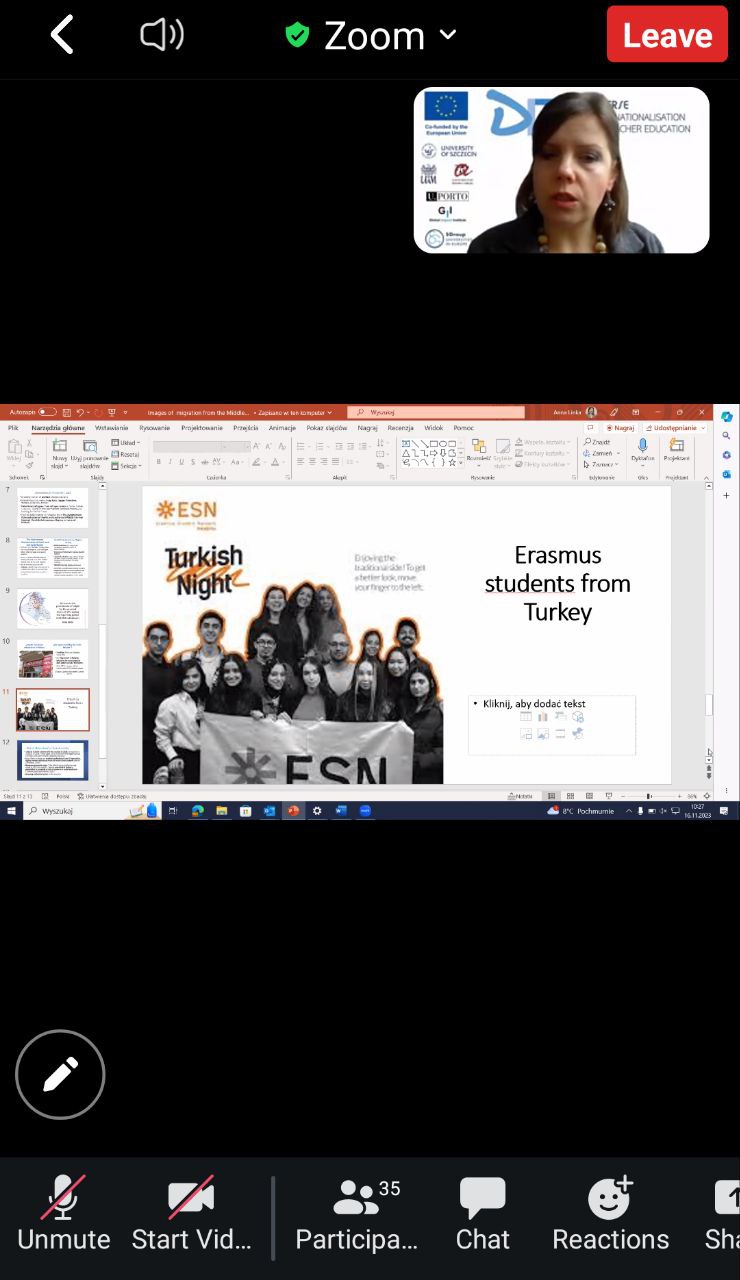
Dr. Anna Linka, along with Professor Fuad Jomma, delivered a presentation on “Images of Migration from Middle East to Poland – Imaginations Vs Facts and Reports,” where she took the participants through the complex nature of migration from the Middle East to Poland. He explained that a referendum on the October 2023 Parliamentary elections in Poland posed two fundamental questions: first, do you support the admission of thousands of illegal immigrants from the Middle East and Africa, in line with the forced relocation mechanism imposed by the European bureaucracy? Secondly, do you support the liquidation of the barrier on the border between the Republic of Poland and Republic of Belarus?
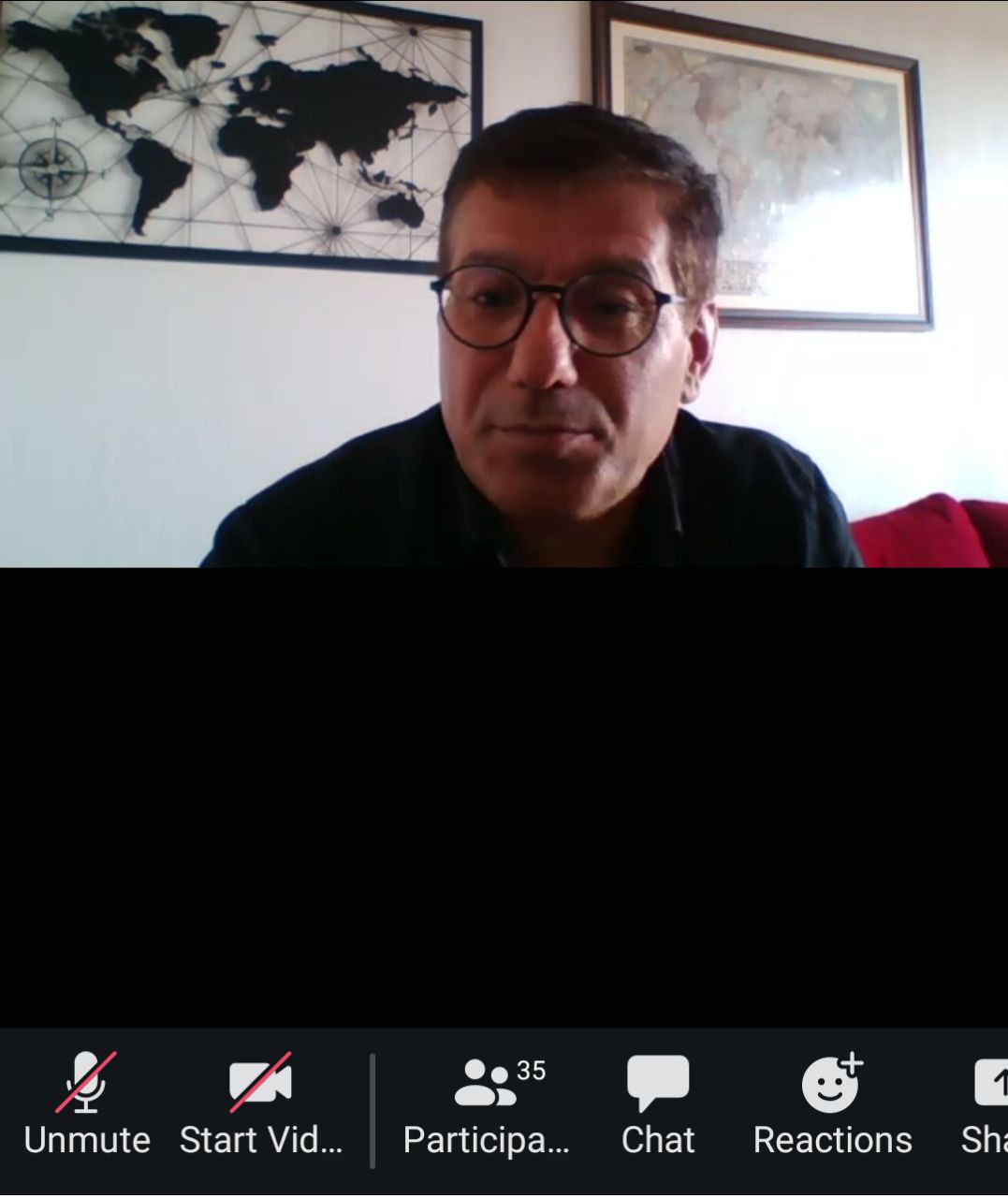
Another distinguished speaker, Assoc. Prof. Muzaffer Bimay spoke on “An Unending Migration and the Problem of Sustainability in Turkiye’s Migration Policies.” He made his presentation with reference to the collapse of the Ottomon Empire, establishment of the Republic of Turkiye and construction of the nation-sate.
Nezir Akyesilmen made a presentation on the factors responsible for migration from the Middle East to Europe. He listed and explained the factors as conflict and instability, the Arab uprising in 2011 (Arab Spring), Syrian civil war, rise of daesh, ongoing conflict in Yemen, lack or weak democracy, poverty and economic instability and so on.
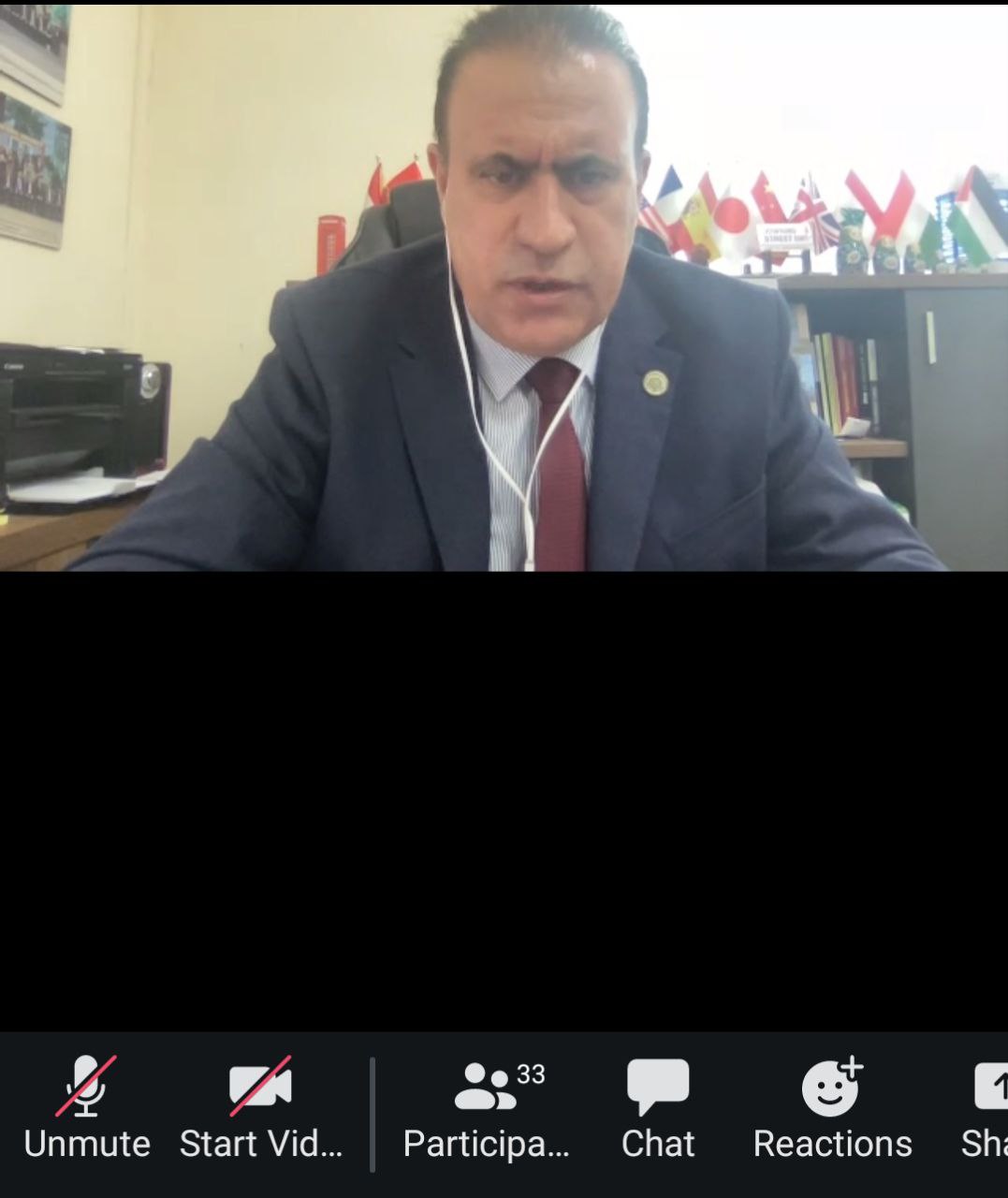
Dr. Mohammad Salih Mustafa explained that security concerns and lack of opportunity push people away or make them to embark on migration. On the other hand, he stated that stability and availability of work opportunities could address the issue of migration.
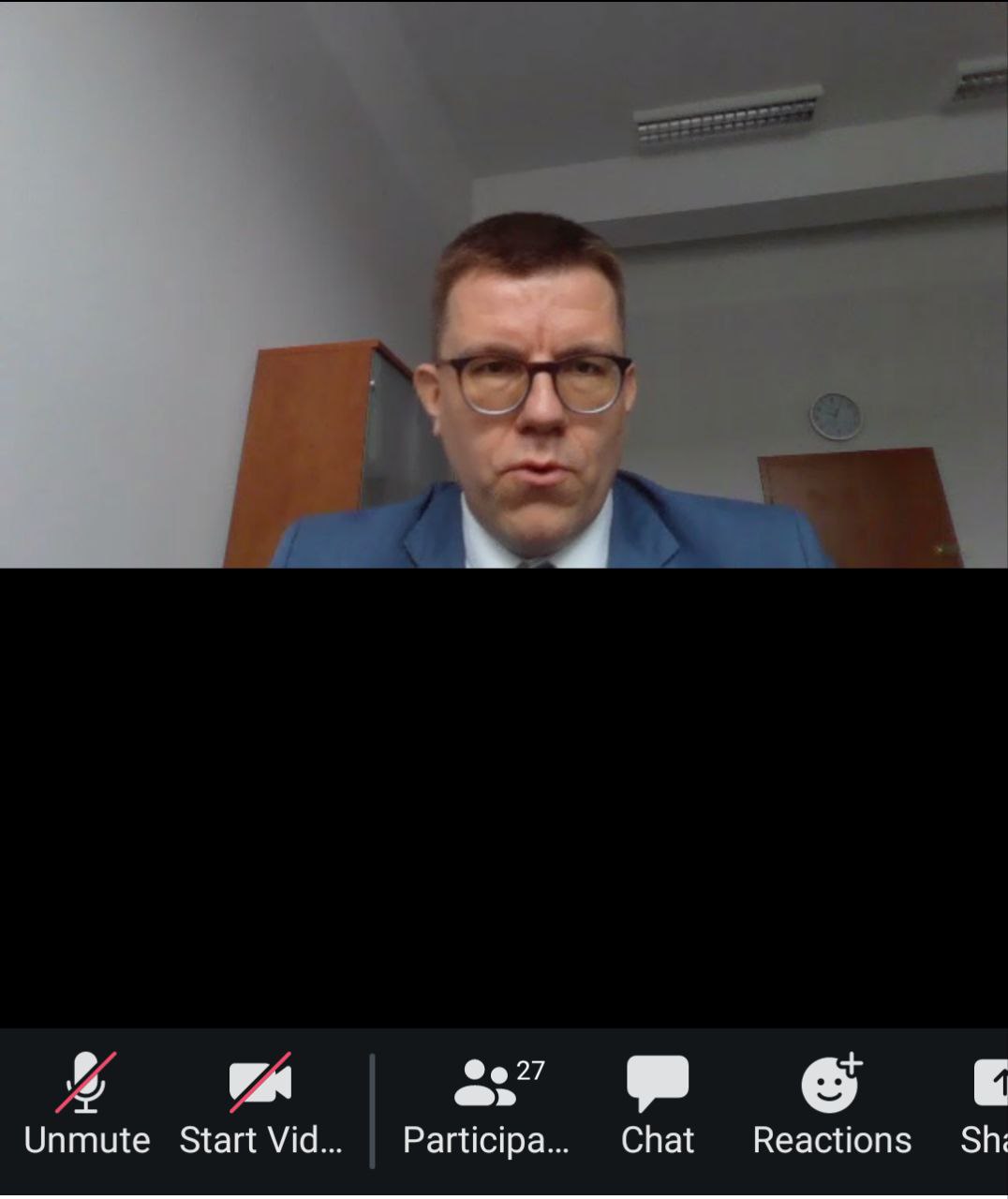
Two other distinguished speakers also delivered more insights and valuable ideas. The speakers concluded that migration should be seen as a natural and positive process. They collectively recommend that favorable migration/immigration policies should be formulated and implemented, and the root causes of migration, especially humanitarian migration, should be addressed.
The Q & A session followed, where the speakers answered all the questions that were asked by participants, including TIU staff and international participants. Finally, certificates of appreciation were given virtually to the speakers by the Head of IRD Department, Dr. Mohammad Salih Mustafa.