
Joint National Workshop on the Occasion of the 74th Anniversary of the Universal Declaration of Human Rights
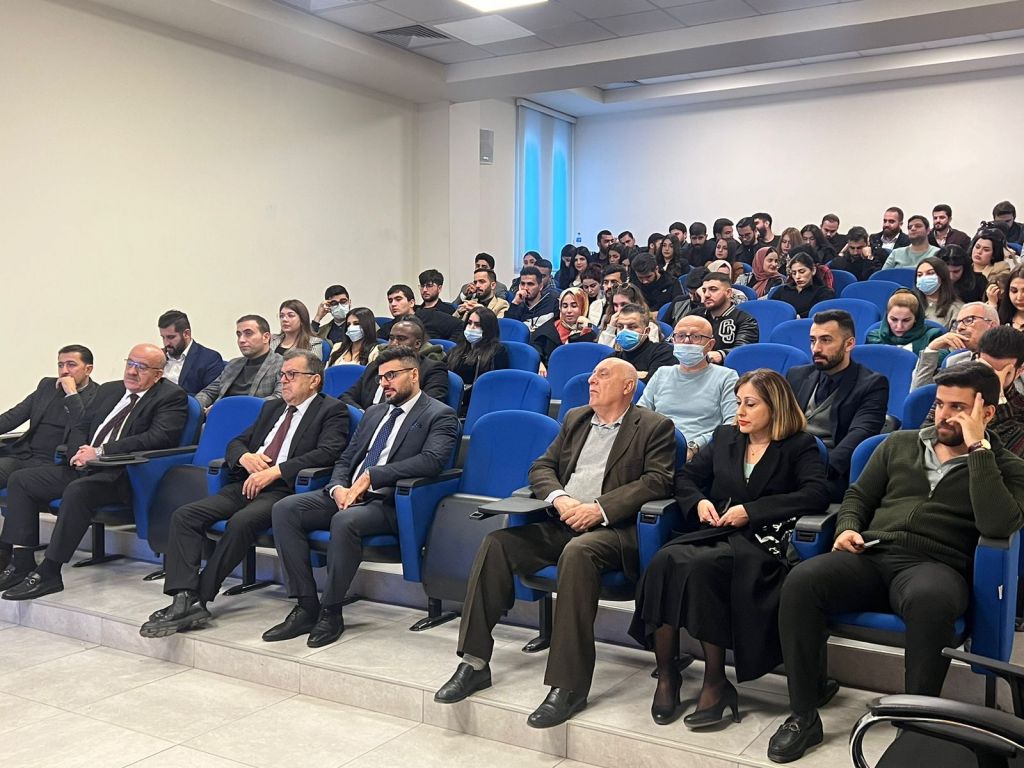
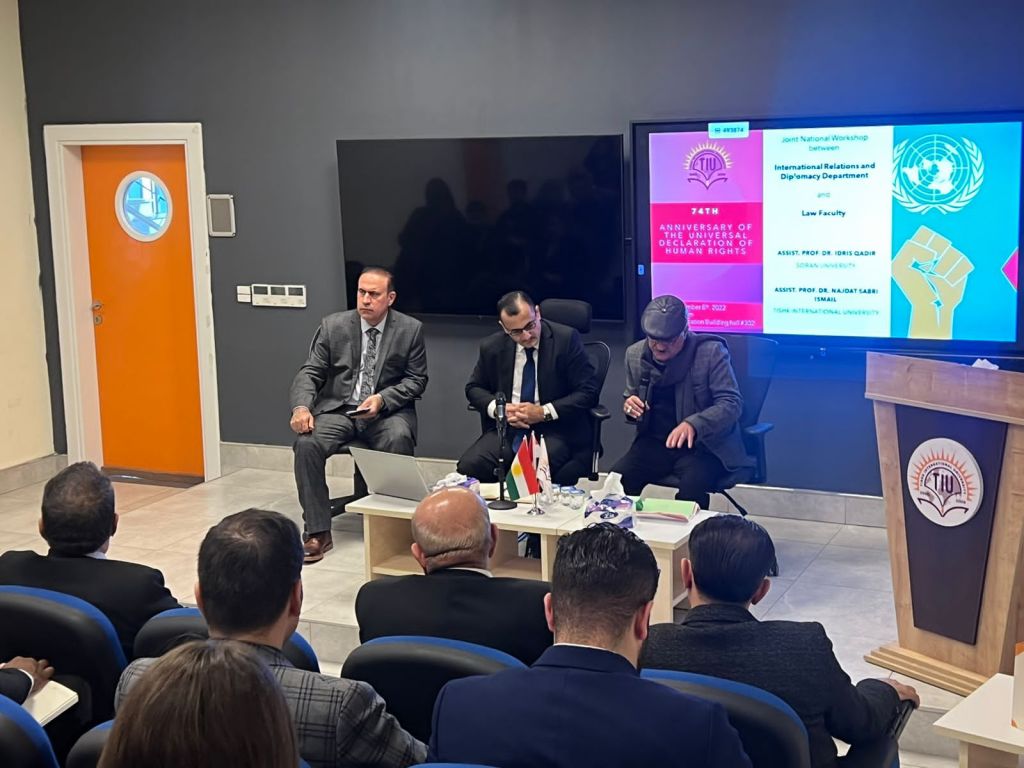
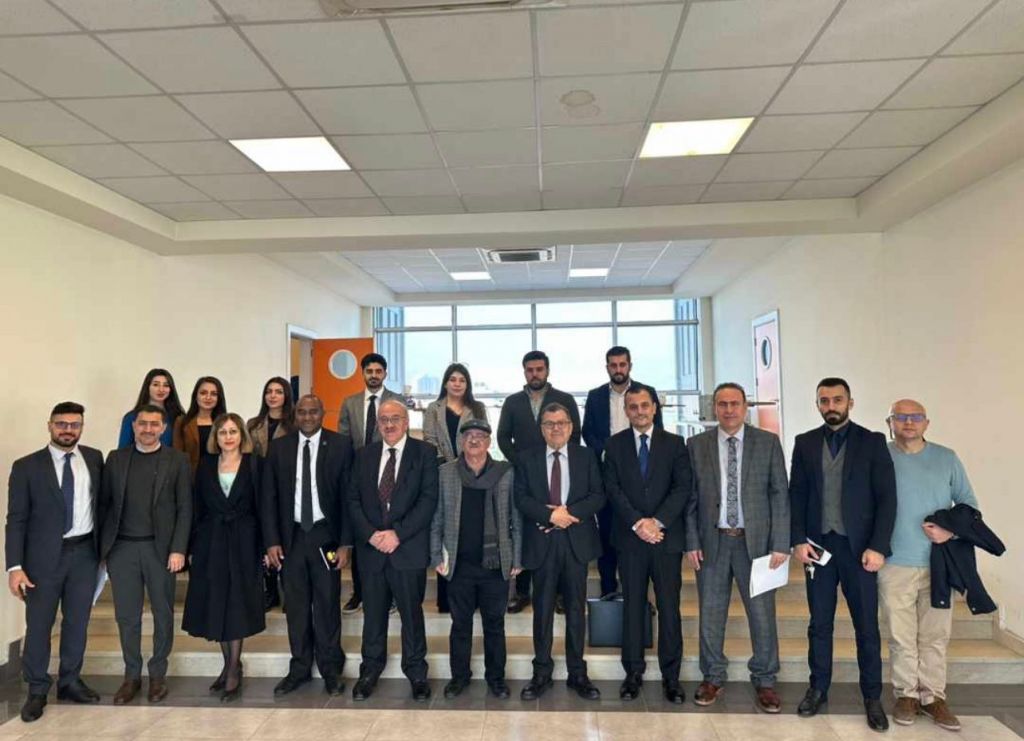
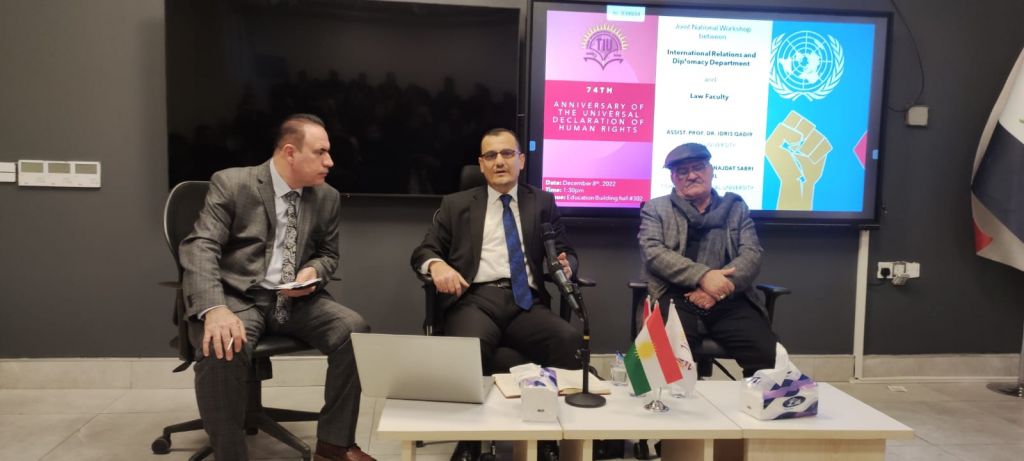
In collaboration with the Faculty of Law at Tishk International University, the Department of International Relations and Diplomacy organised a Joint National Workshop on the occasion of the 74th Anniversary of the Universal Declaration of Human Rights, held on December 8th, 2022. The workshop was enriched by two distinguished speakers who explained in detail the relevance of the observance of the day and the national and international dimensions of human rights, Asst. Prof. Dr. Najdat Sabri Ismail from the Faculty of Law, Tishk International University and Asst. Prof. Dr. Idris Qadir from Soran University. Dr. Mohammad Salih Mustafa (Head of the IRD Department) acted as the moderator.
The first speaker (Asst. Prof. Dr. Najdat Sabri Ismail) took the participants through the role of law in society and the need for the protection and promotion of human rights, as this would ensure peace, stability and progress in the community.
The second speaker (Asst. Prof. Dr. Idris Qadir) traced the history of the Universal Declaration of Human Rights (UDHR) to December 10th, 1948, following a United Nations General Assembly Resolution 217A, which has thus become a common standard for all people and nations, as it sets out, for the first time in human history, fundamental human rights, especially rights to life, liberty and property and other equally important. These rights enhance human life, such as freedom of speech/expression, human dignity, assembly, education, family life, privacy, employment, voting and such. The UDHR calls for the universal recognition, adoption, protection and promotion of these fundamental human rights. Many countries worldwide have incorporated them into their constitutions, even though adherence still leaves much to be desired.
The following recommendations were jointly offered for both the Kurdistan Region and Iraq:
For the Kurdistan Region:
- To issue the constitution for the Region, ensure a general state of freedom and establish the constitutional court.
- To activate the independent body for protecting human rights in the Kurdistan Region by incorporating scientific and academic measures.
- Guarantee international participation in monitoring the observance of human rights.
- To make sure to make a special law to protect the rights of children, eliminate all forms of domestic violence against women and ensure the protection of the rights of ethnic and religious minorities.
- To cooperate with international organisations in the protection and promotion of human rights.
- To activate and enhance the role of civil society organisations in preserving, protecting and promoting human rights.
- Collaboration with the Integrity Directorate to monitor any kind of financial corruption.
- Detection and prevention of acts of terrorism.
For Iraq:
- To activate the participation of Iraq in the Human Rights Council and High Commission for the Human Rights of the UN.
- To ensure a suitable condition for the protection and promotion of the rights of children, women and minorities in Iraq in line with international agreements on human rights.
- To ensure the betterment of the treatment of inmates in Iraqi prisons to be suitable and in line with human rights observance.
- To activate the commission for the protection and promotion of human rights in Iraq to be in line with international best practices and standards.
- To ensure and enhance the role of civil society organisations, with reference to human rights protection and promotion.
- To study further the underlying causes of terrorism to detect and prevent the commission of acts of terrorism.
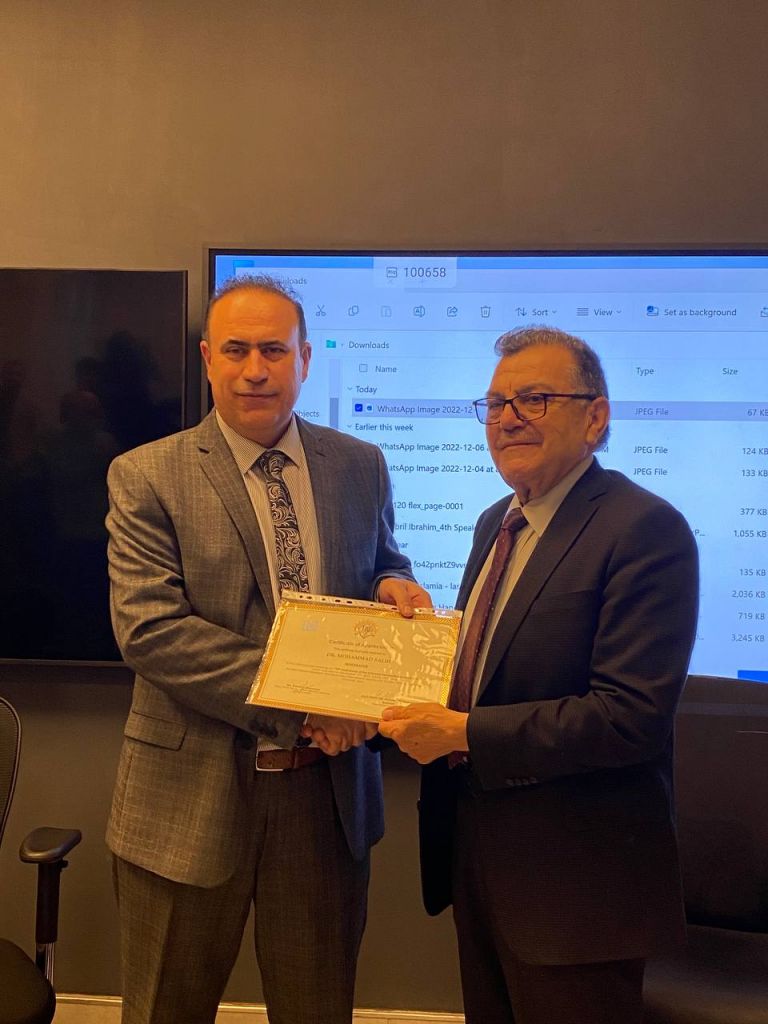
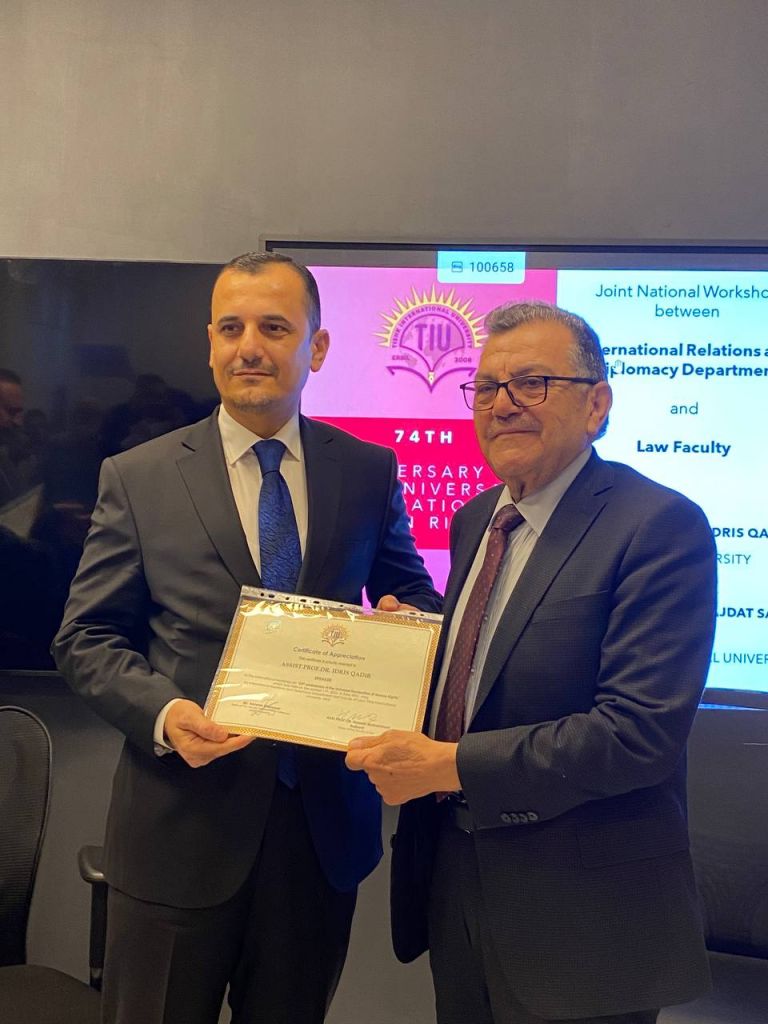
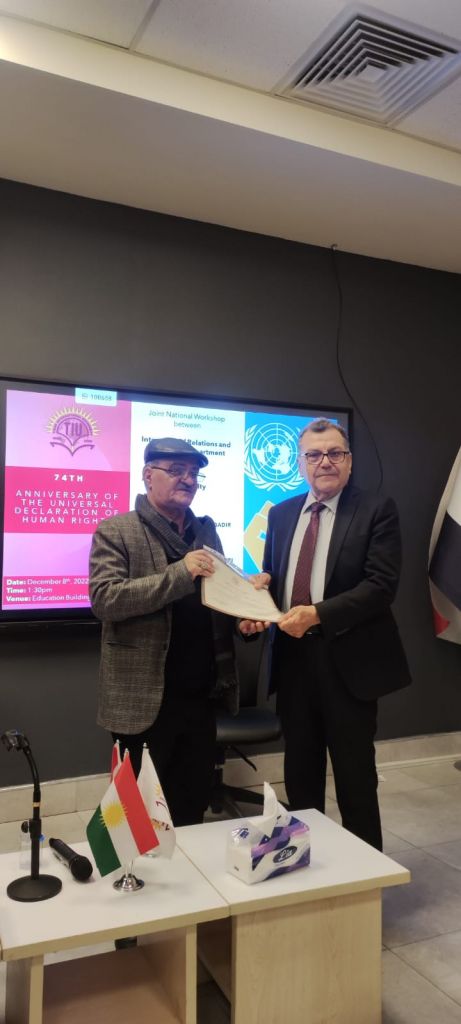
A Q&A session followed, where the speakers responded adequately to all the questions asked by members of the audience, including academics, seasoned lawyers, retired judges, policymakers and students. Finally, Certificates of Appreciation were issued to the distinguished speakers and the workshop moderator.