
National Workshop on Strengthening Governance in the Kurdistan Region Held Successfully
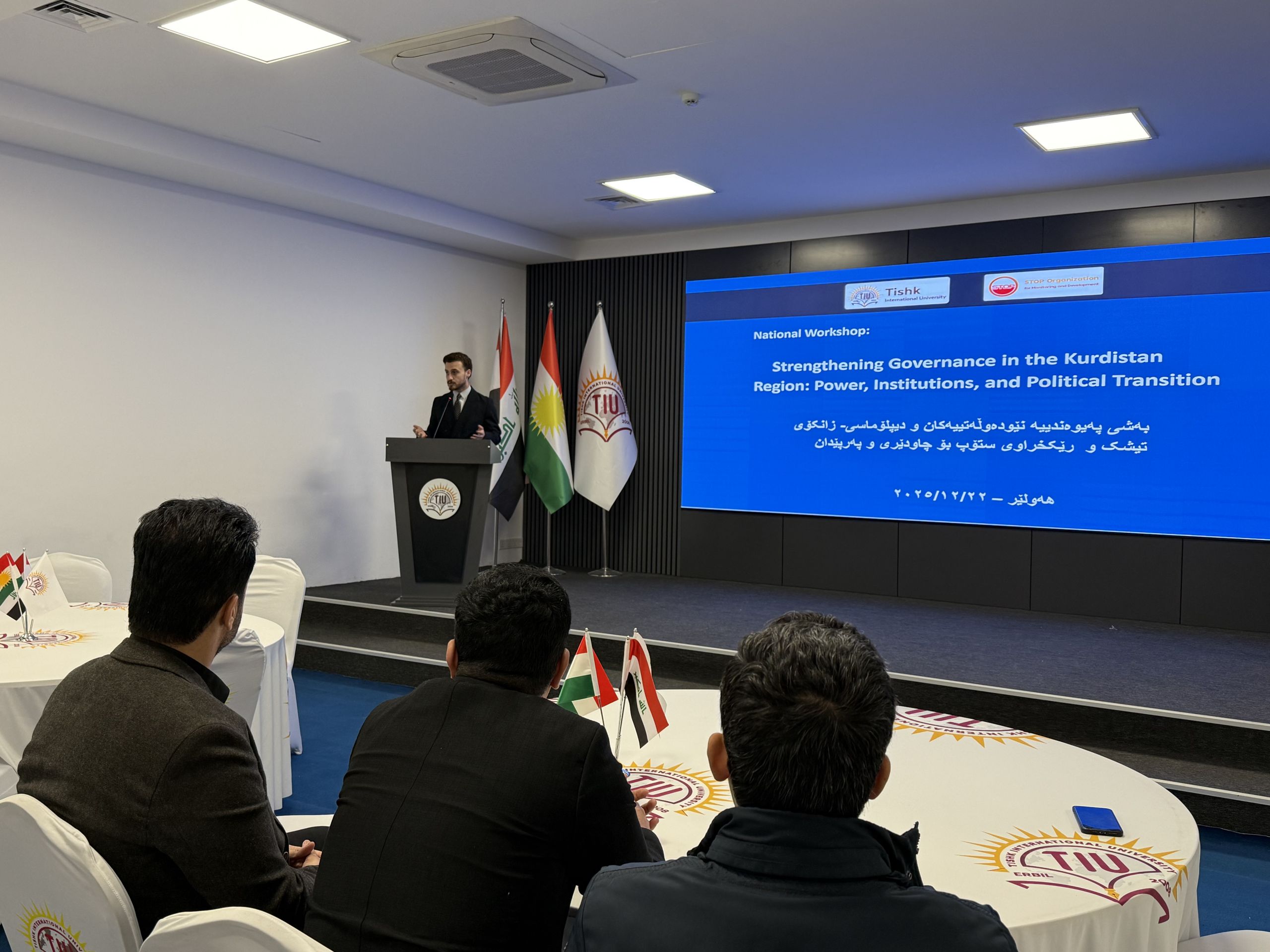
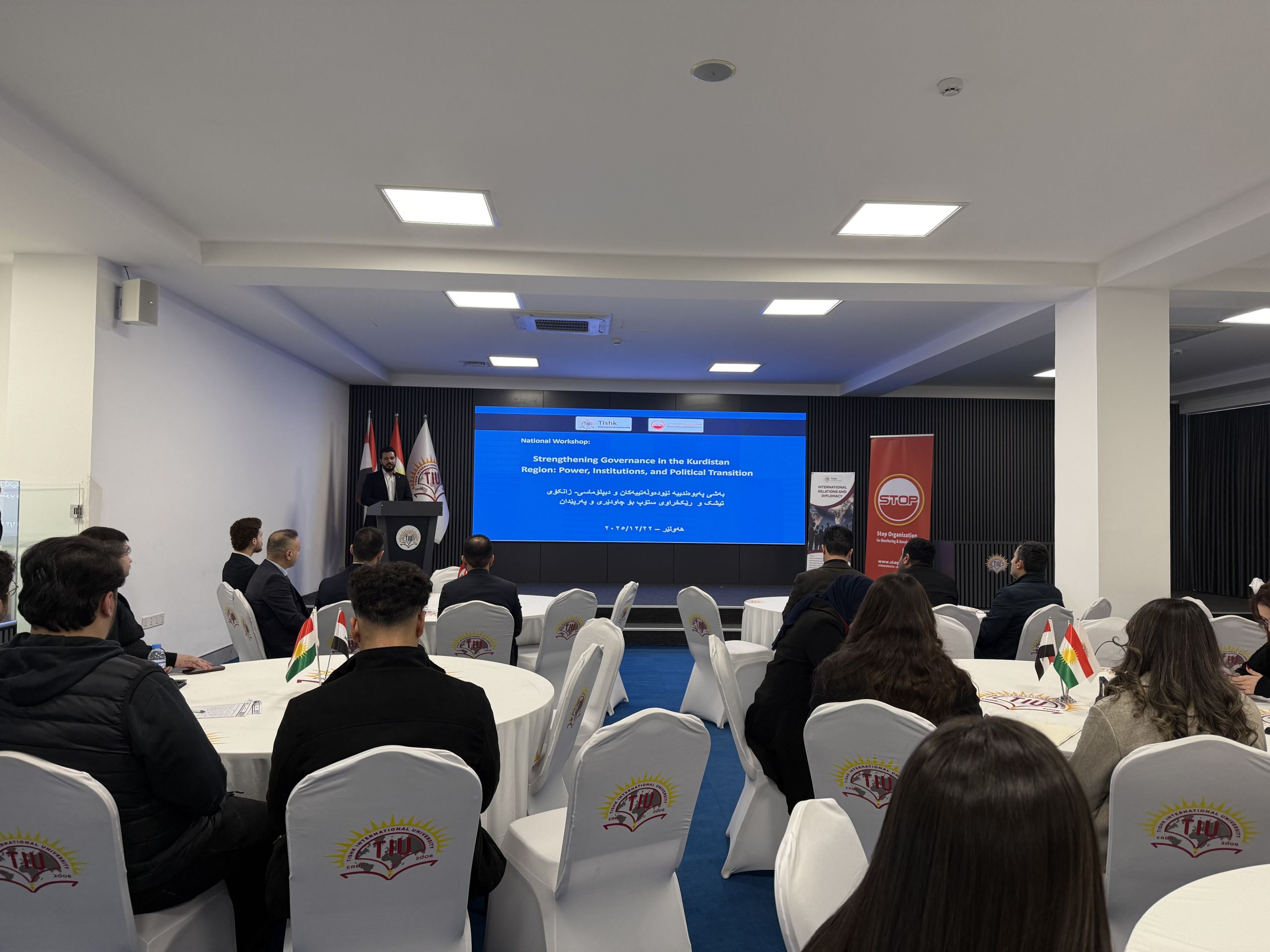
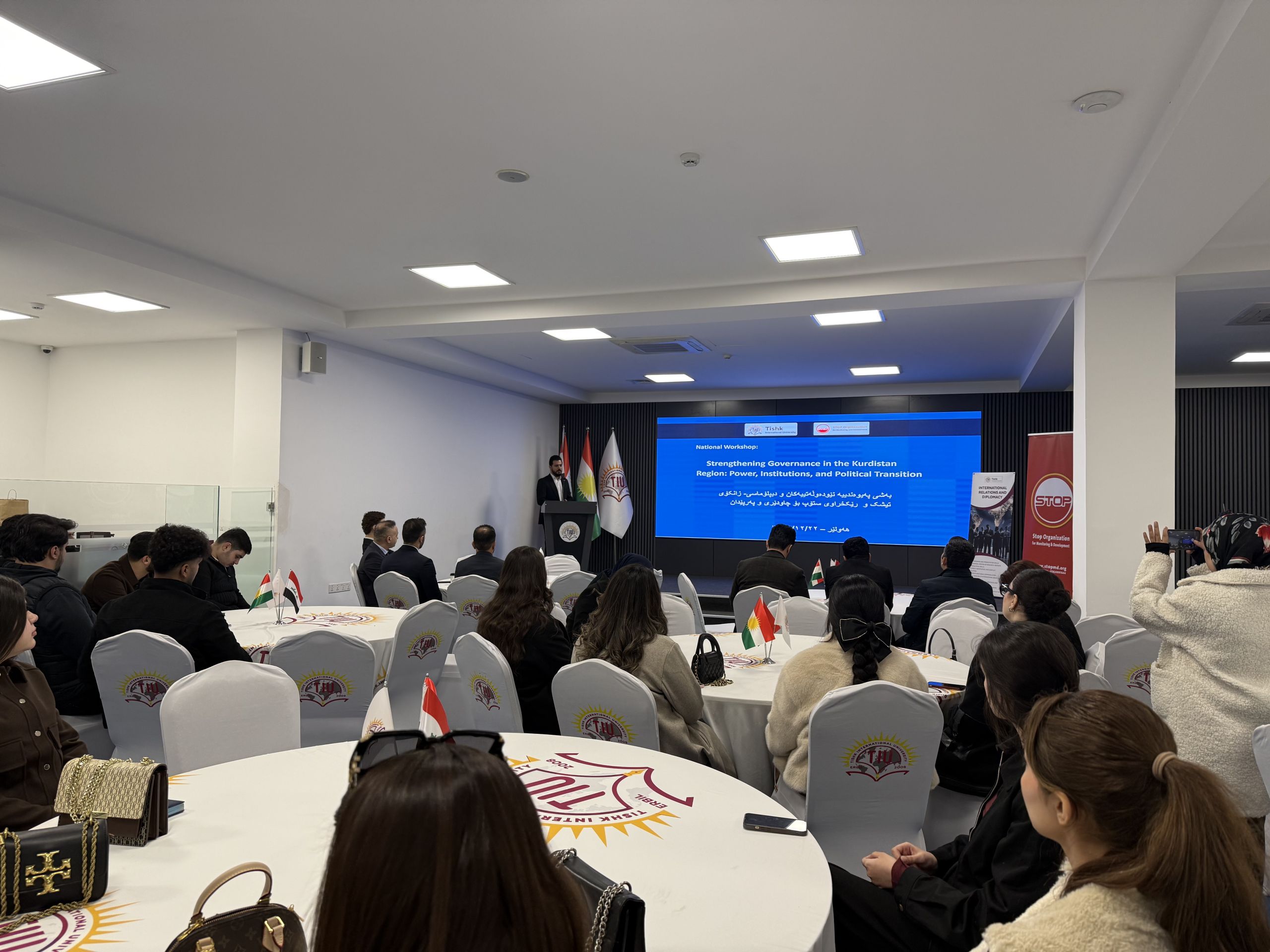
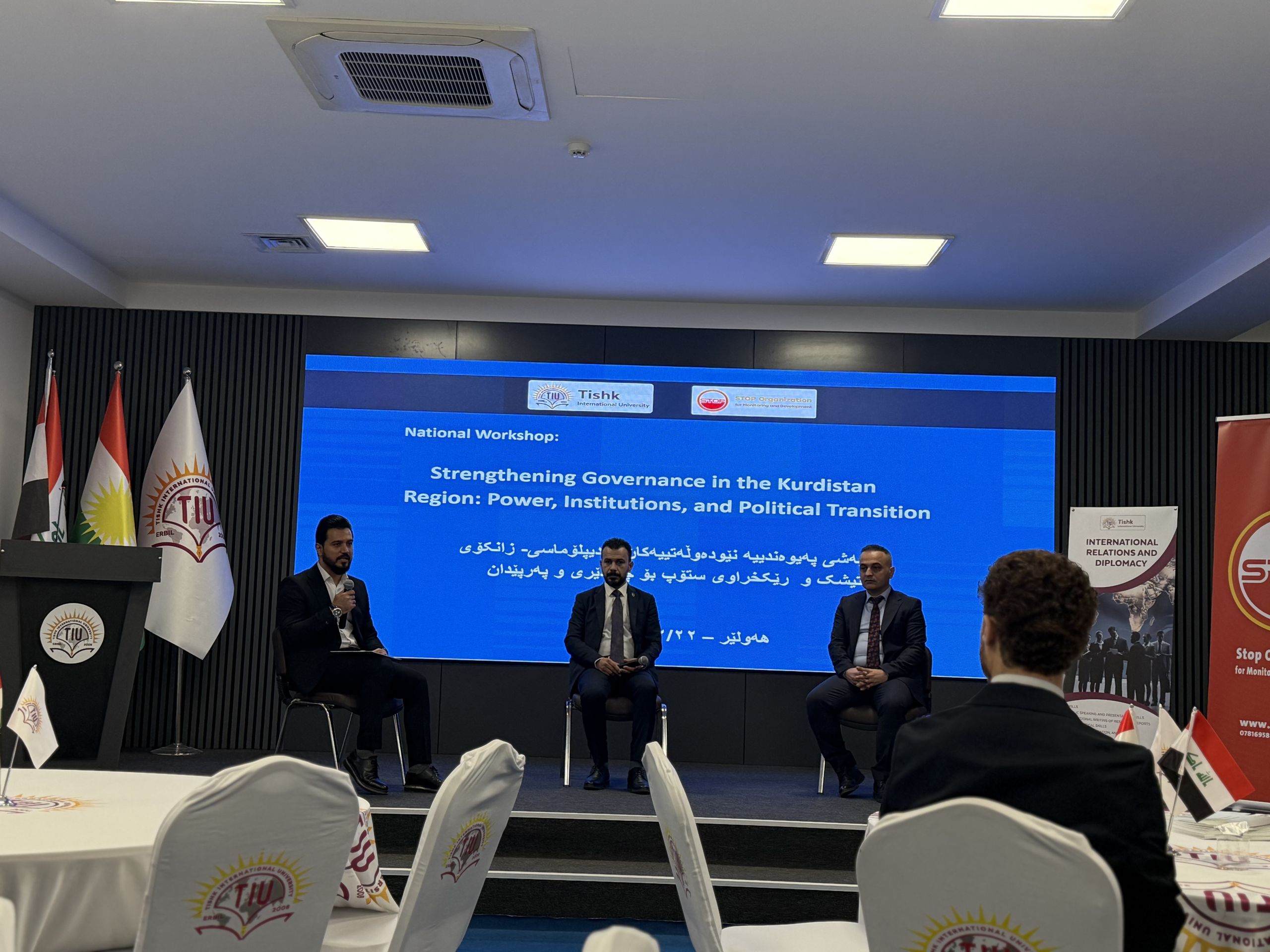
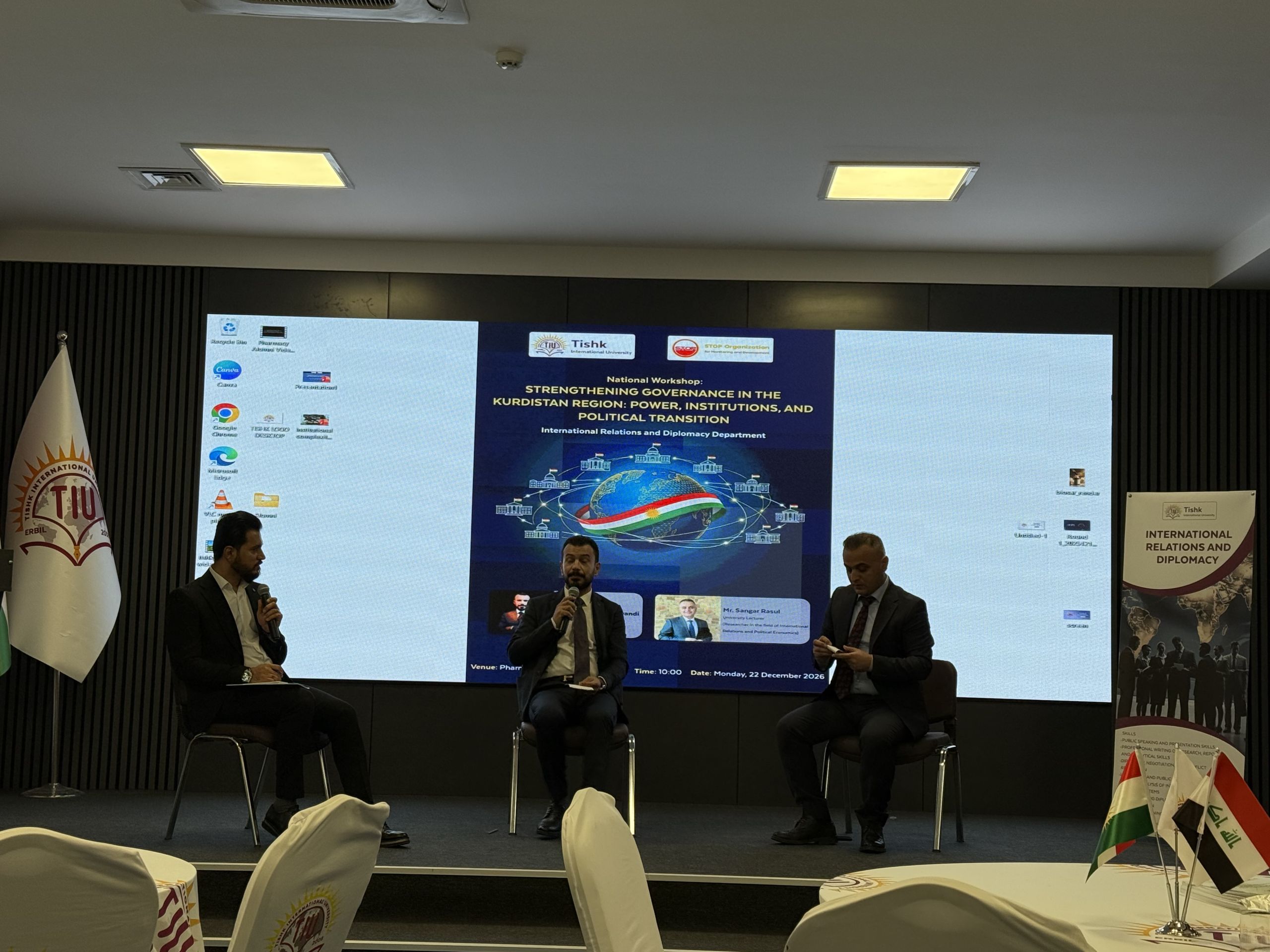
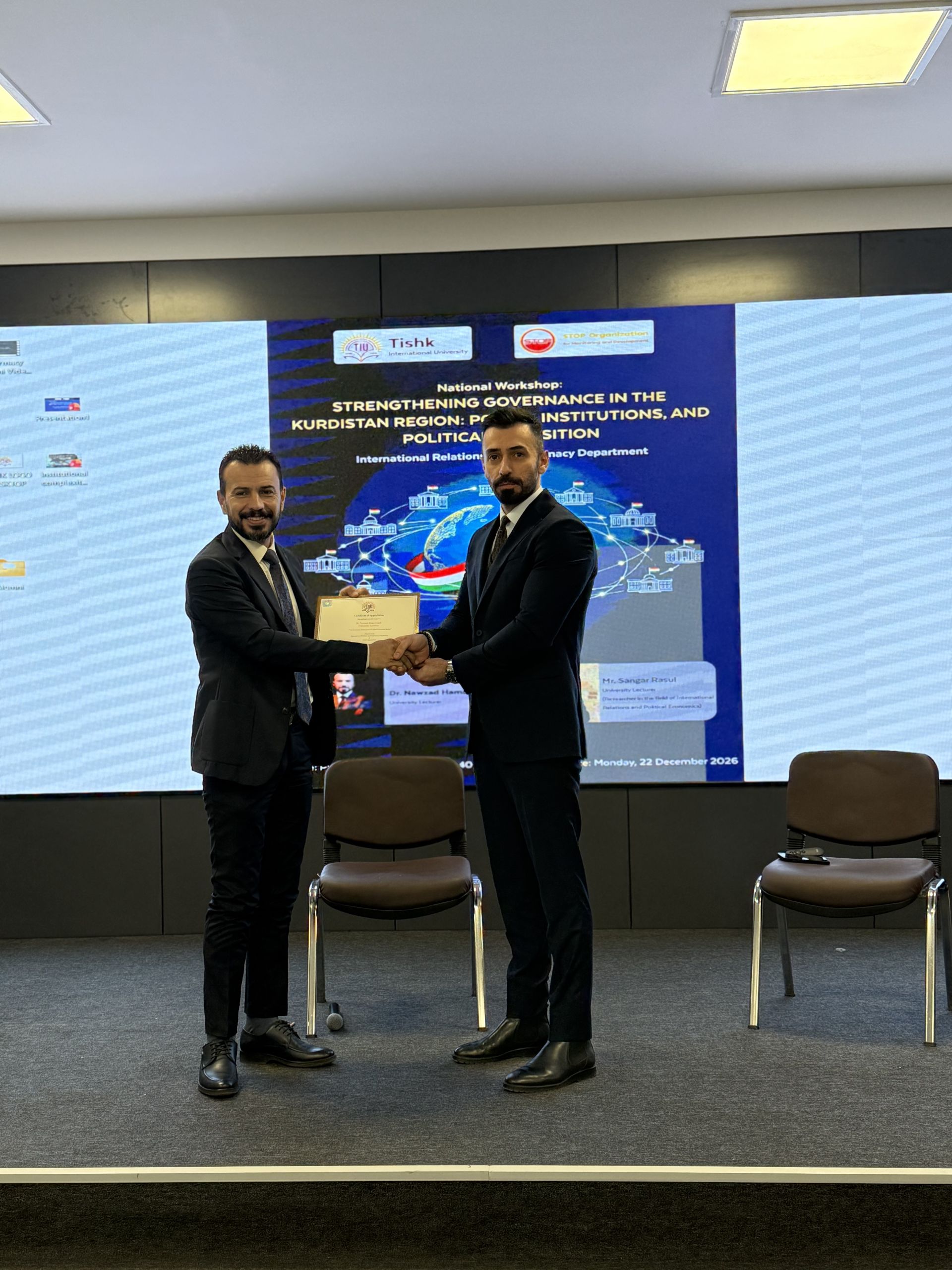
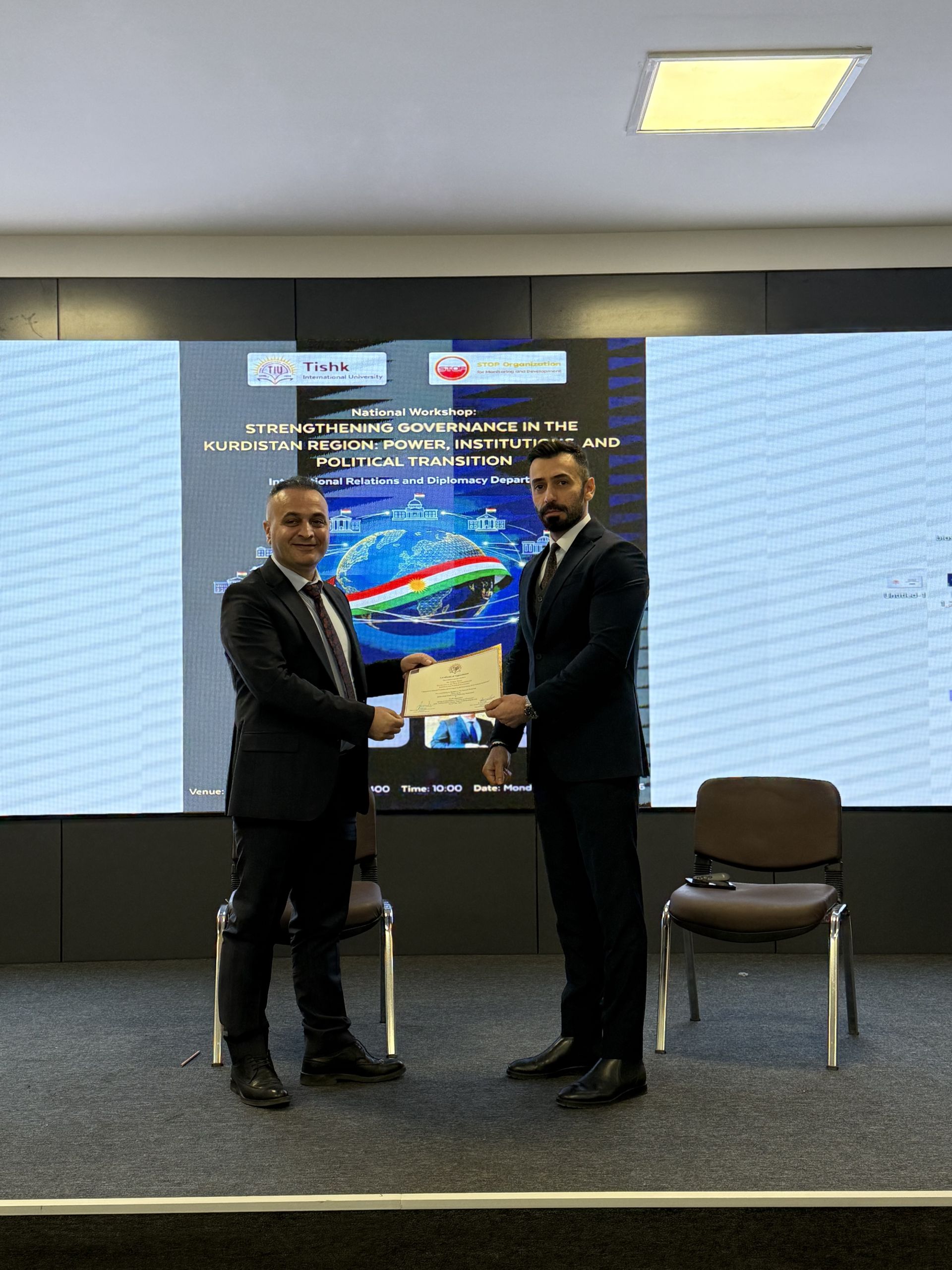
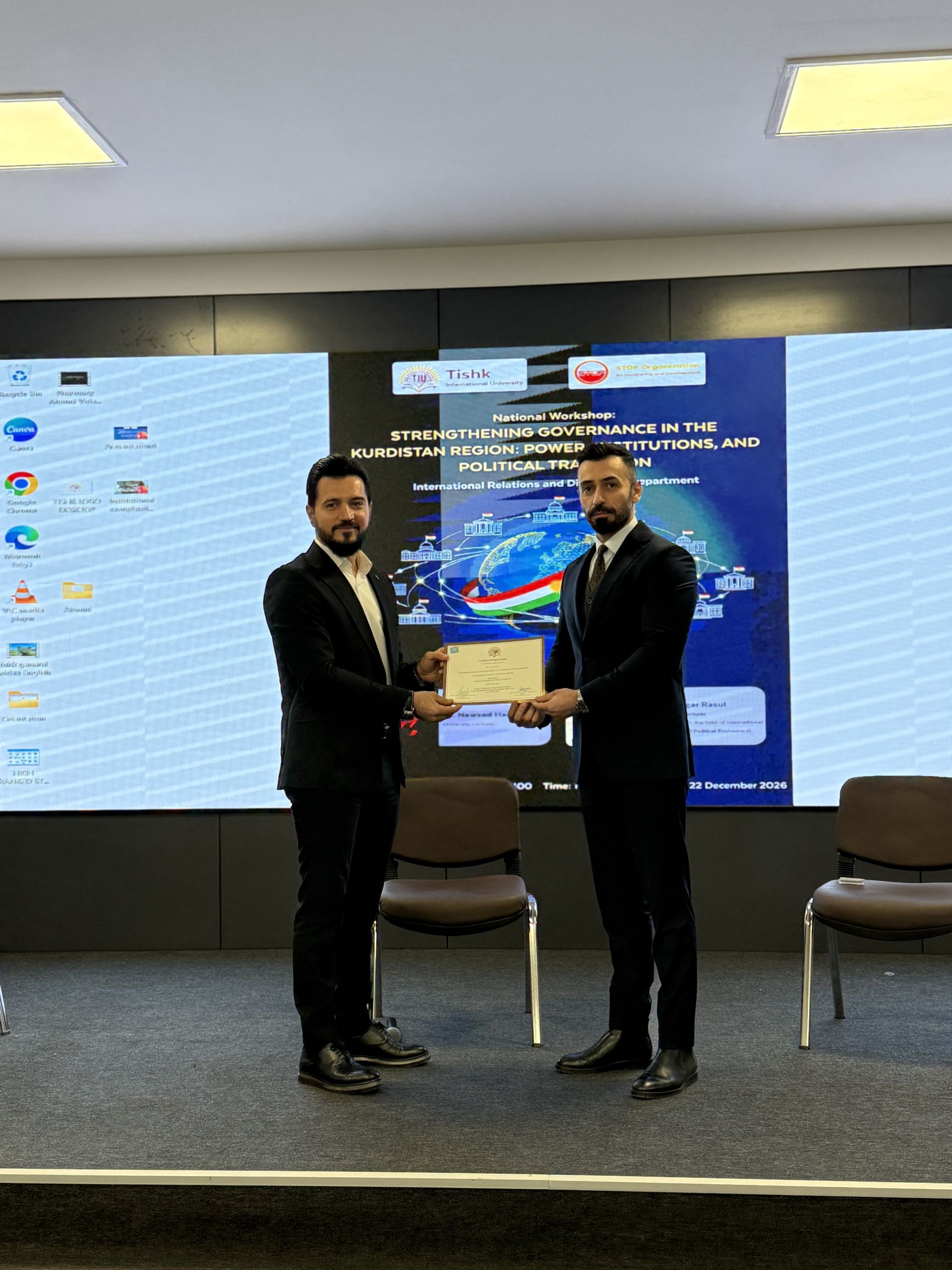
The International Relations and Diplomacy Department, in cooperation with STOP Organization, organized a national workshop entitled “Strengthening Governance in the Kurdistan Region: Power, Institutions, and Political Transition” on Monday, 22 December 2026, at the Pharmacy Building Hall, starting at 10:00 a.m.
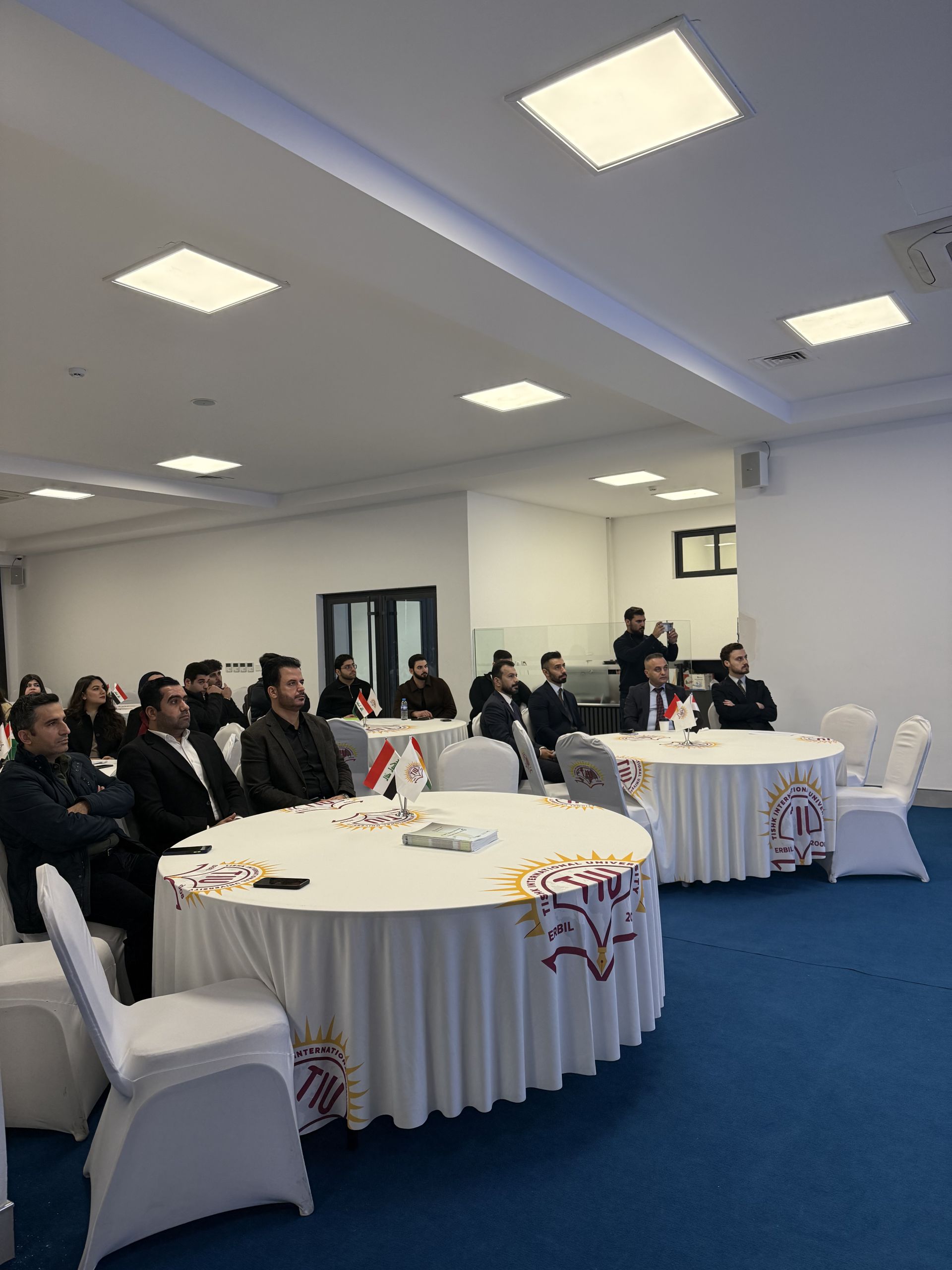
The workshop brought together 33 participants, including academic staff and students, and aimed to discuss the challenges of governance, political transition, and institutional performance in the Kurdistan Region.
The workshop featured two distinguished speakers:
-
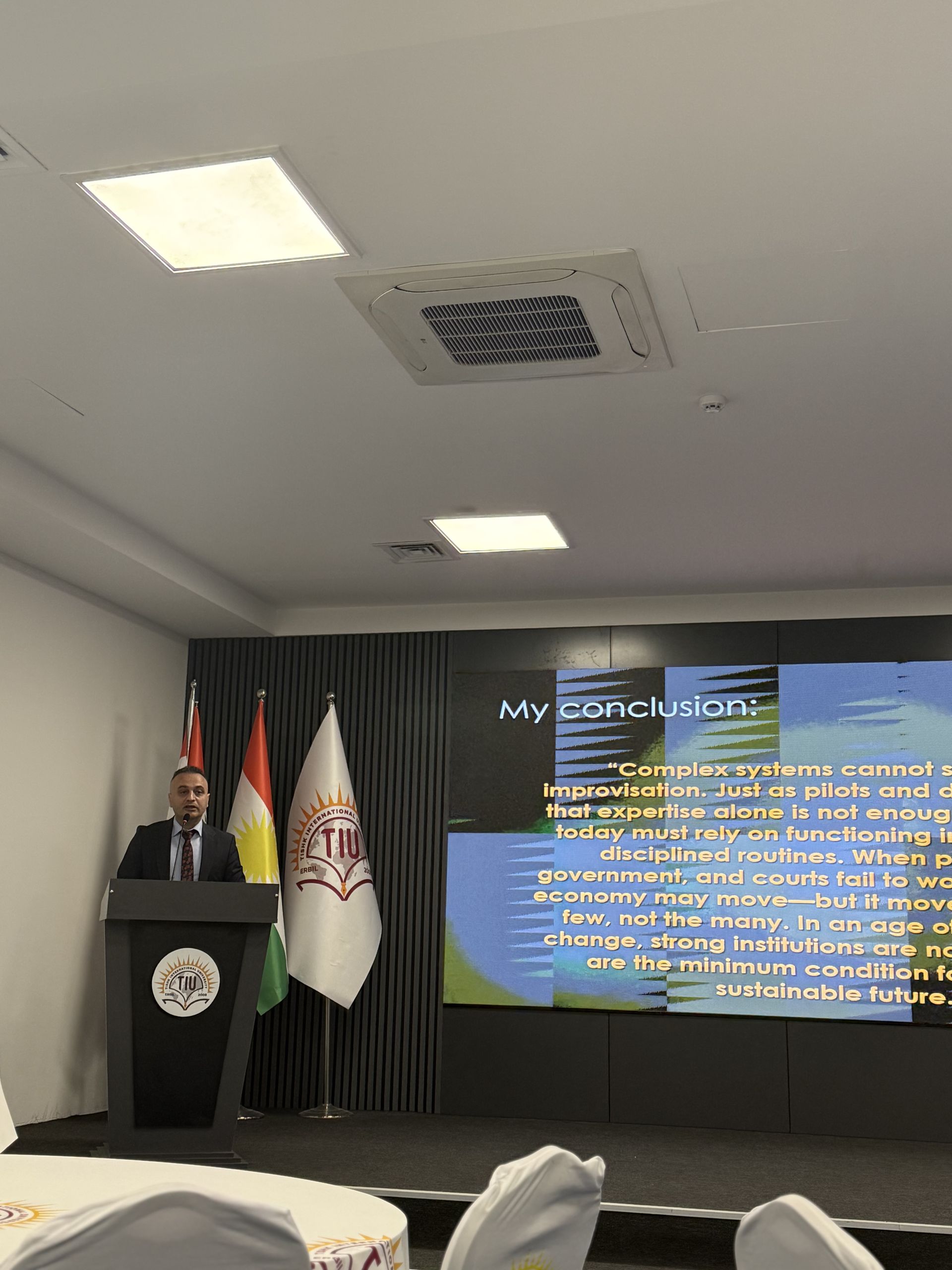
Mr. Sangar Rasul, a researcher in International Relations and Political Economy, delivered a presentation titled “Delayed Government Formation and Its Impact on the Functioning of Government Institutions.” His presentation highlighted how delays in forming governments weaken institutional efficiency, disrupt public services, and reduce public trust in political institutions.
-
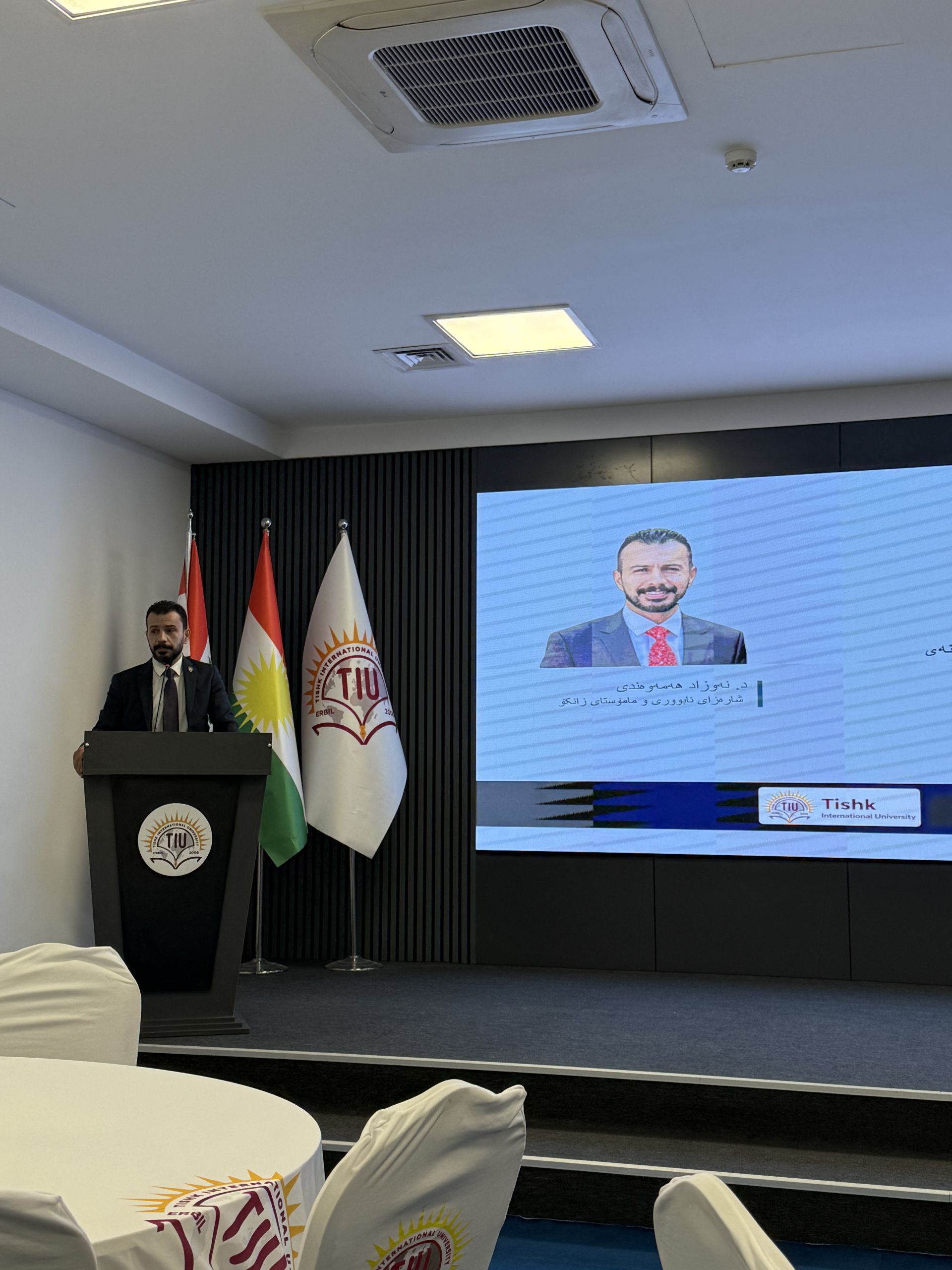
Dr. Nawzad Hamawandi, a University Lecturer, presented an insightful talk entitled “An Economic Assessment of Cabinet Formation Delays.” He focused on the economic consequences of prolonged cabinet formation, including budget delays, investment uncertainty, and negative impacts on economic stability and development.
Workshop Outcomes
The workshop concluded with several key outcomes:
-
Delayed cabinet formation was identified as a major challenge affecting political stability, institutional performance, and economic planning in the Kurdistan Region.
-
Strengthening institutional independence and continuity was emphasized as essential to reduce the negative effects of political deadlock.
-
Participants highlighted the importance of transparent governance, effective power-sharing mechanisms, and timely political decision-making.
-
The workshop encouraged greater engagement between academia, civil society organizations, and policymakers to support governance reforms.
-
Students benefited from direct interaction with experts, enhancing their understanding of real-world political and economic challenges.
The workshop ended with an open discussion session, where participants actively shared their perspectives and recommendations. The event successfully contributed to raising awareness about governance challenges and promoting constructive dialogue on political and economic reform in the Kurdistan Region.