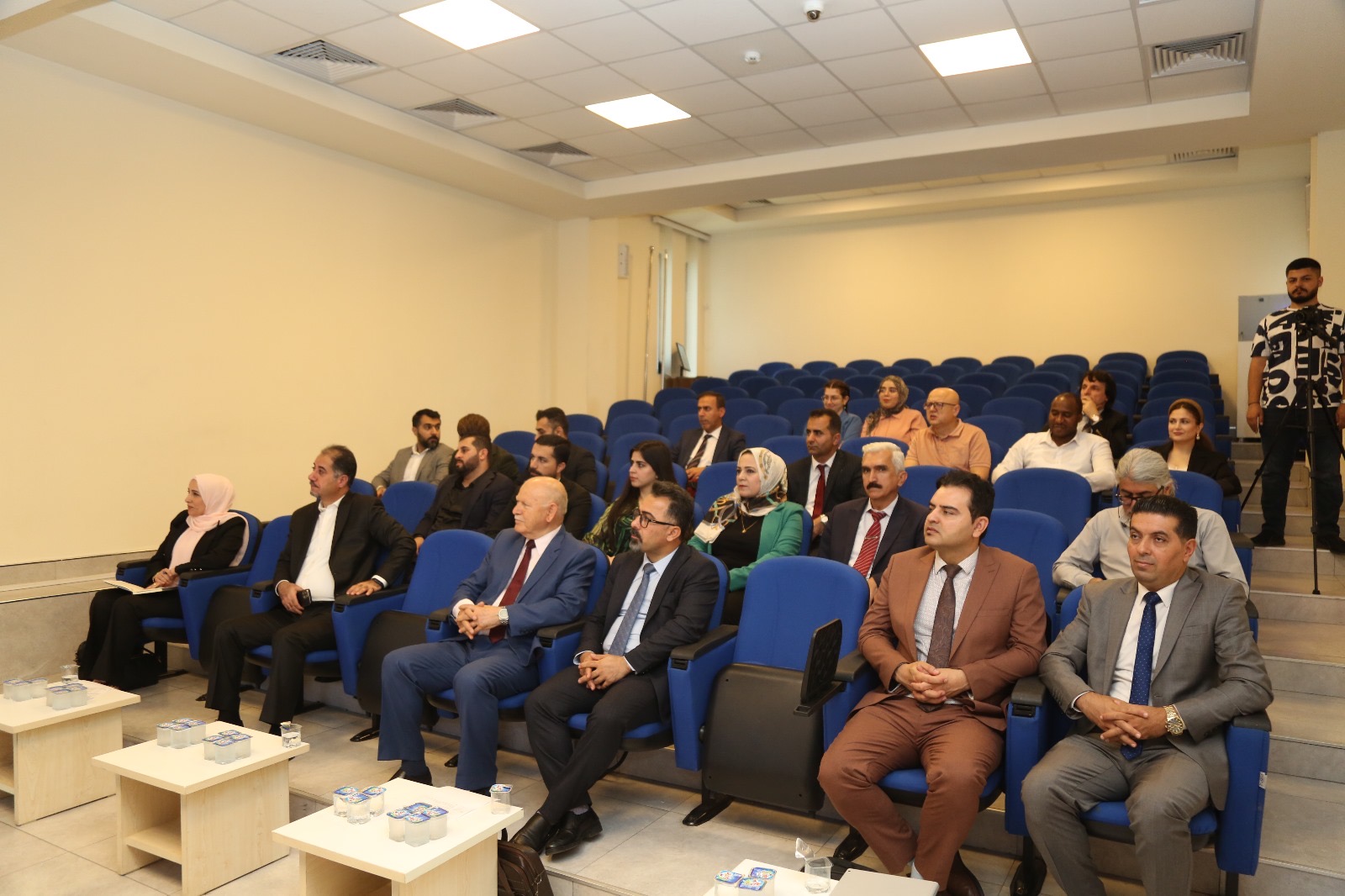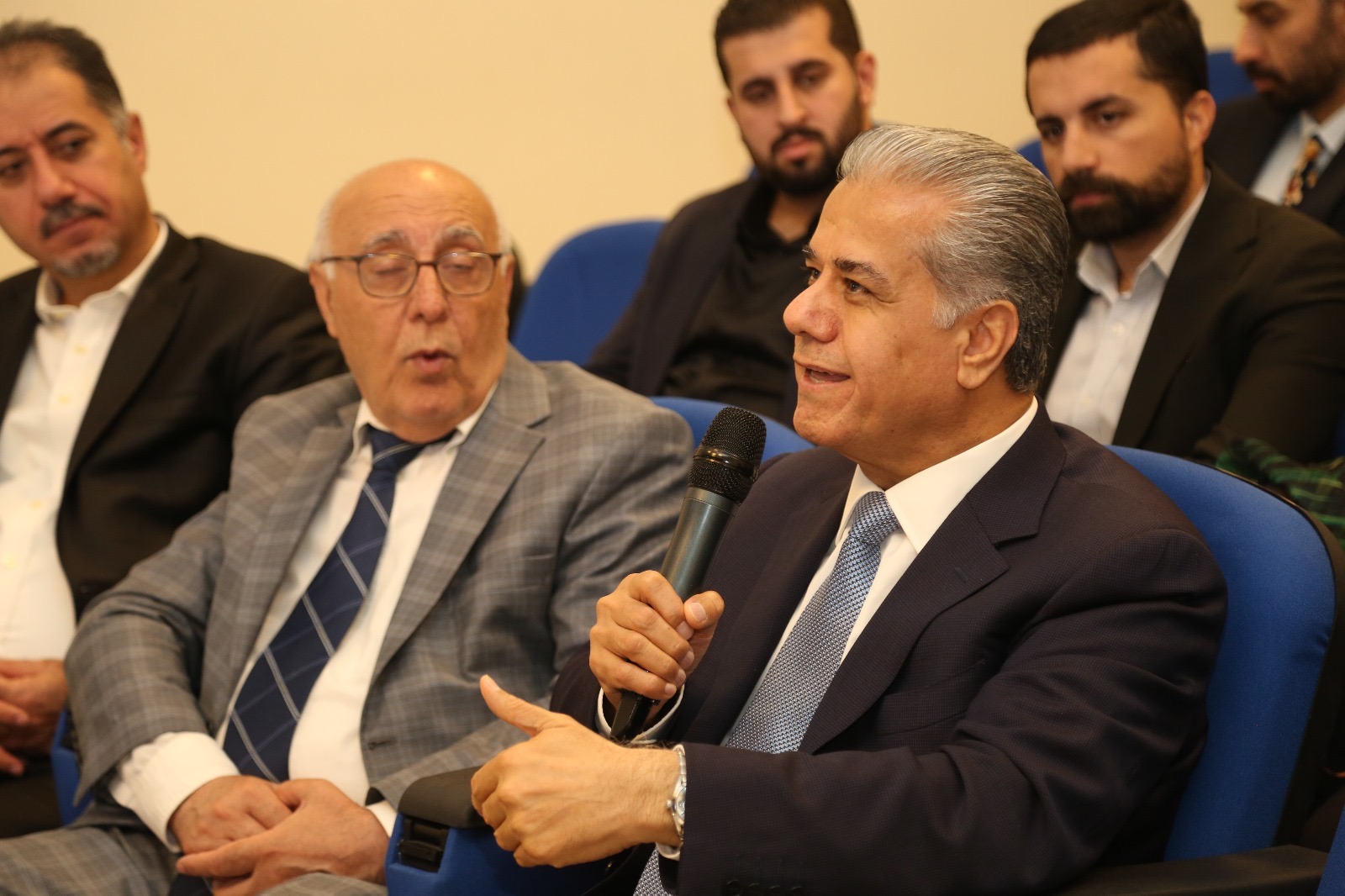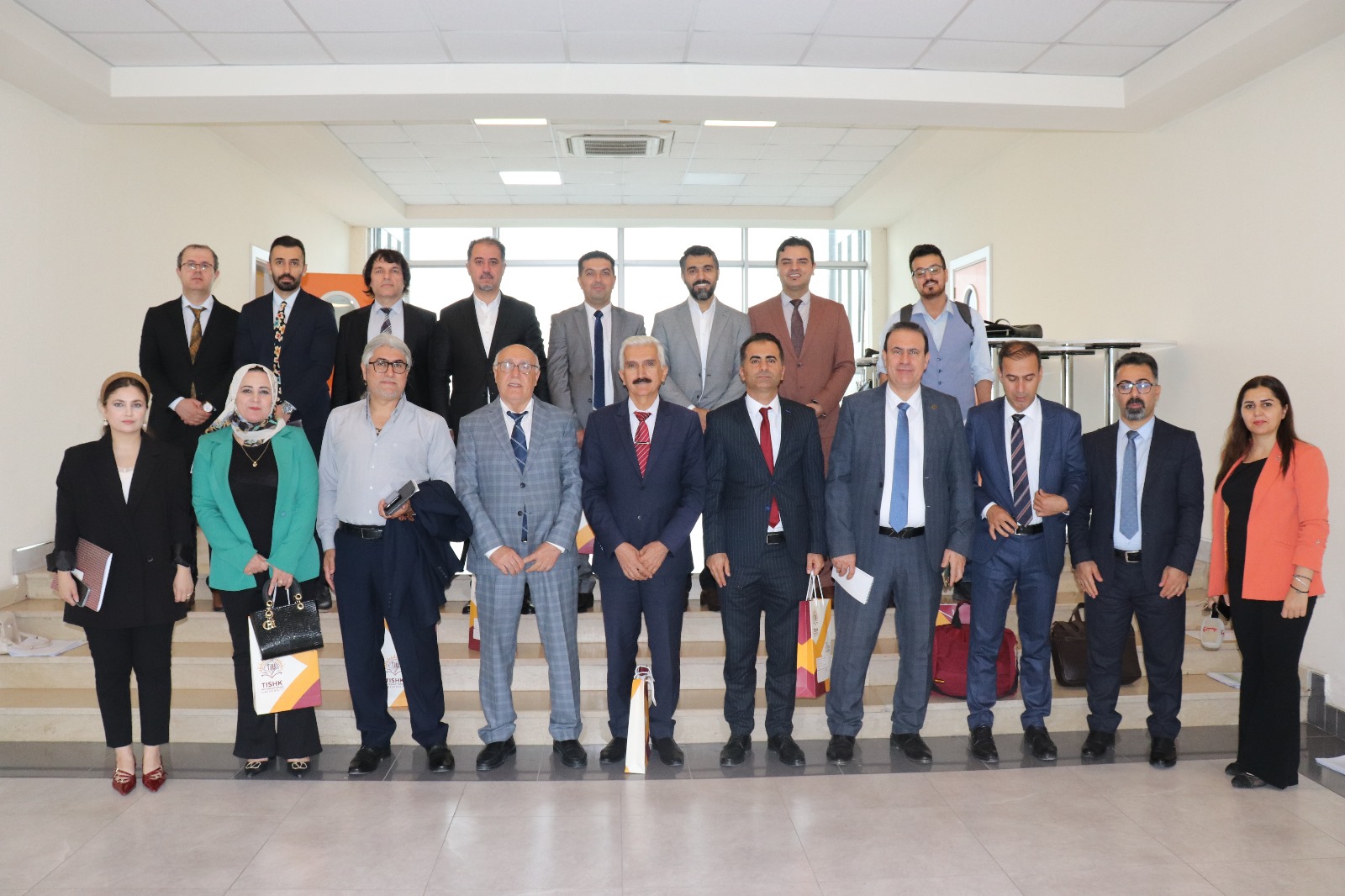

On May 30th, 2024, the International Relations and Diplomacy Department, Faculty of Administrative Sciences and Economics at Tishk International University, organized a national workshop on “Reversing the Fall in Enrollment of Students in Political Science, International Relations and Diplomacy Departments.” The workshop featured three sessions focusing on the reasons behind the decline, the implications of this trend, and potential solutions. Esteemed scholars from various universities across Kurdistan Region participated, including representatives from American University of Kurdistan, Catholic University in Erbil, University of Halabja, Bayan University, Soran University, University of Duhok, Cihan University, Salahaddin University, University of Sulaimani, University of Kurdistan Hewlêr (UKH) and Tishk International University as the host. In addition, Mr. Falah Mustafa, Senior Advisor to the Kurdistan Region’s President, Political Science Association of Kurdistan, University’s Eye Organization, a non-governmental watchdog organization, and IRD alumni took part in the event.
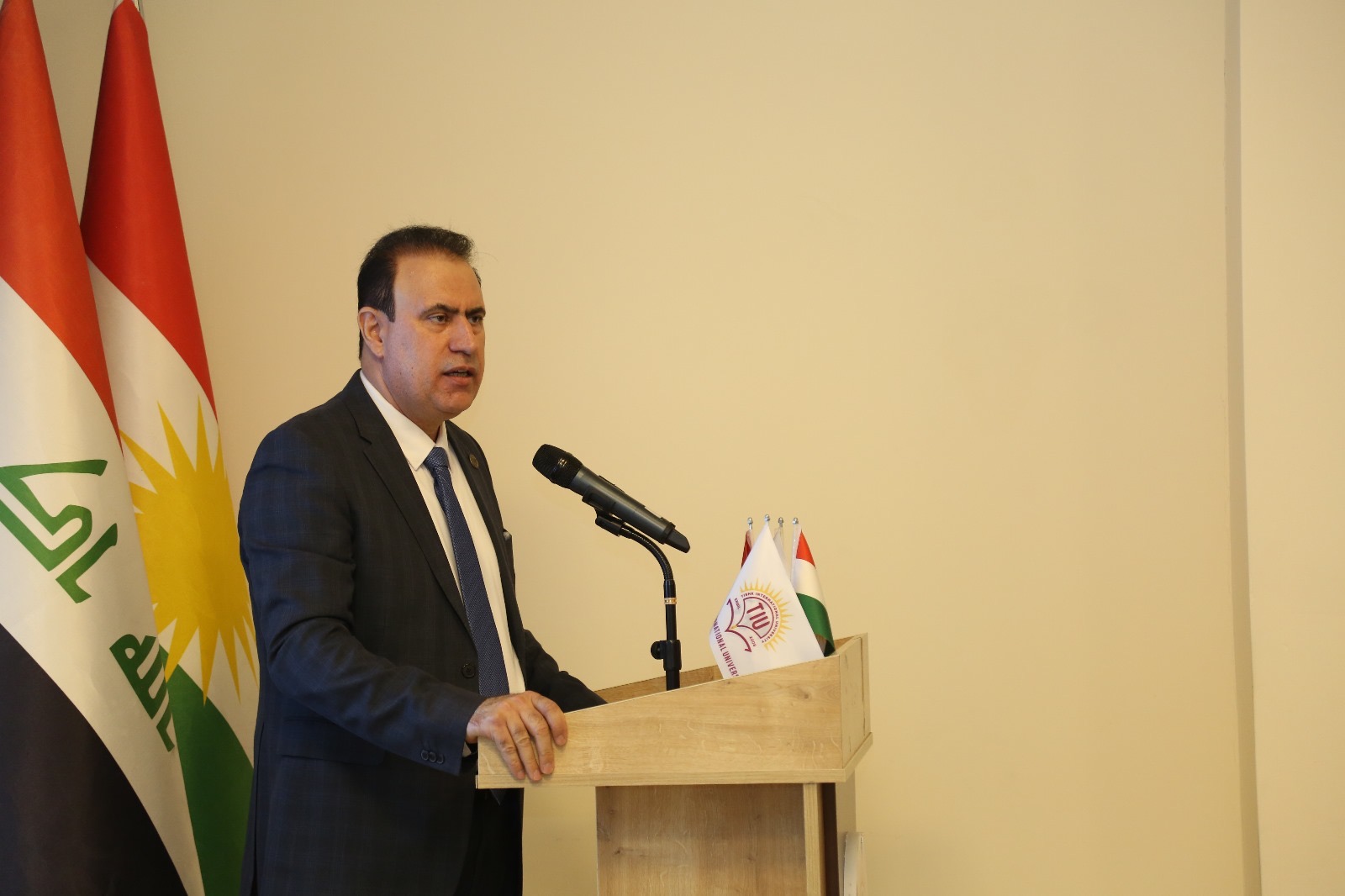
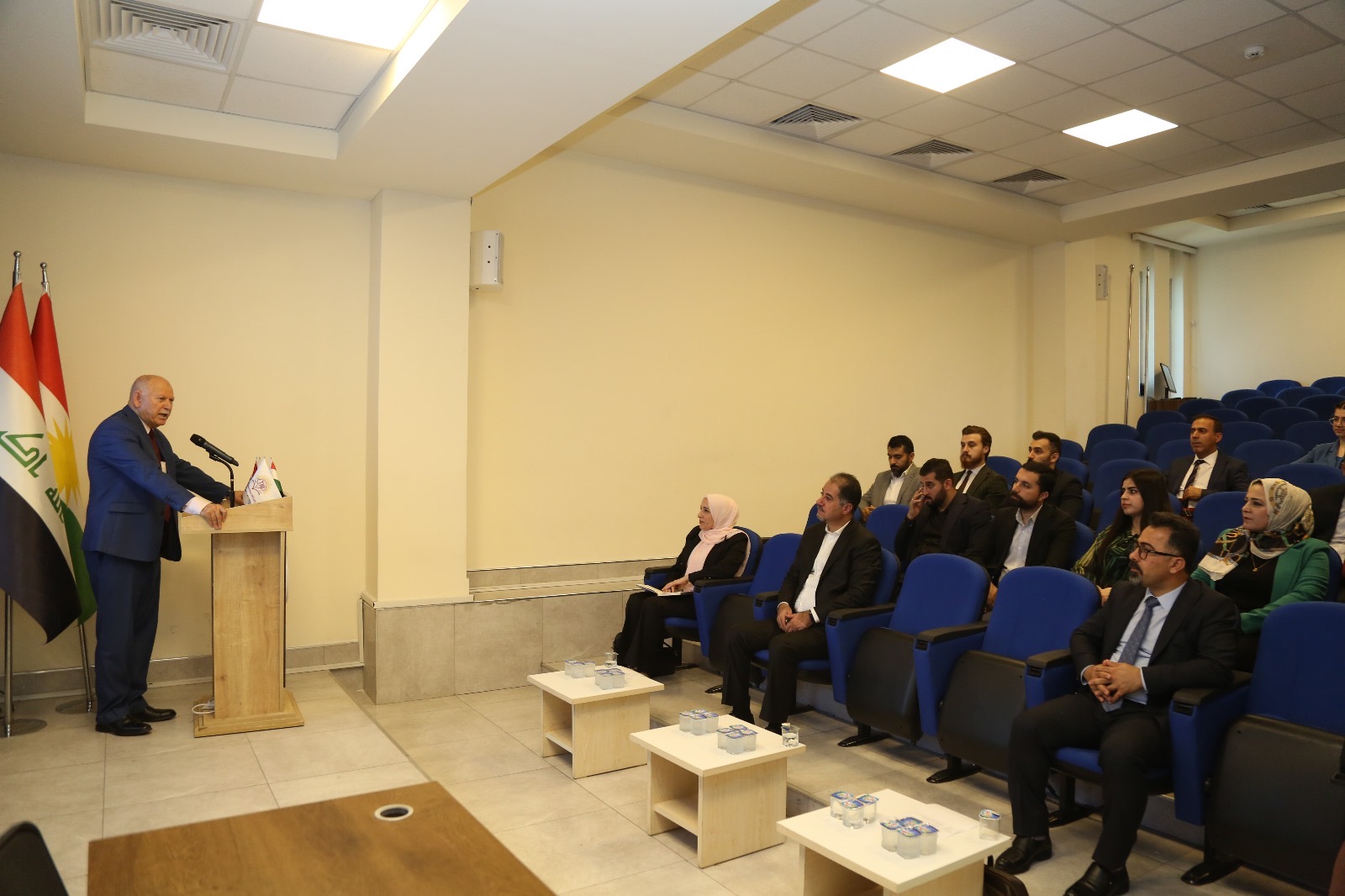
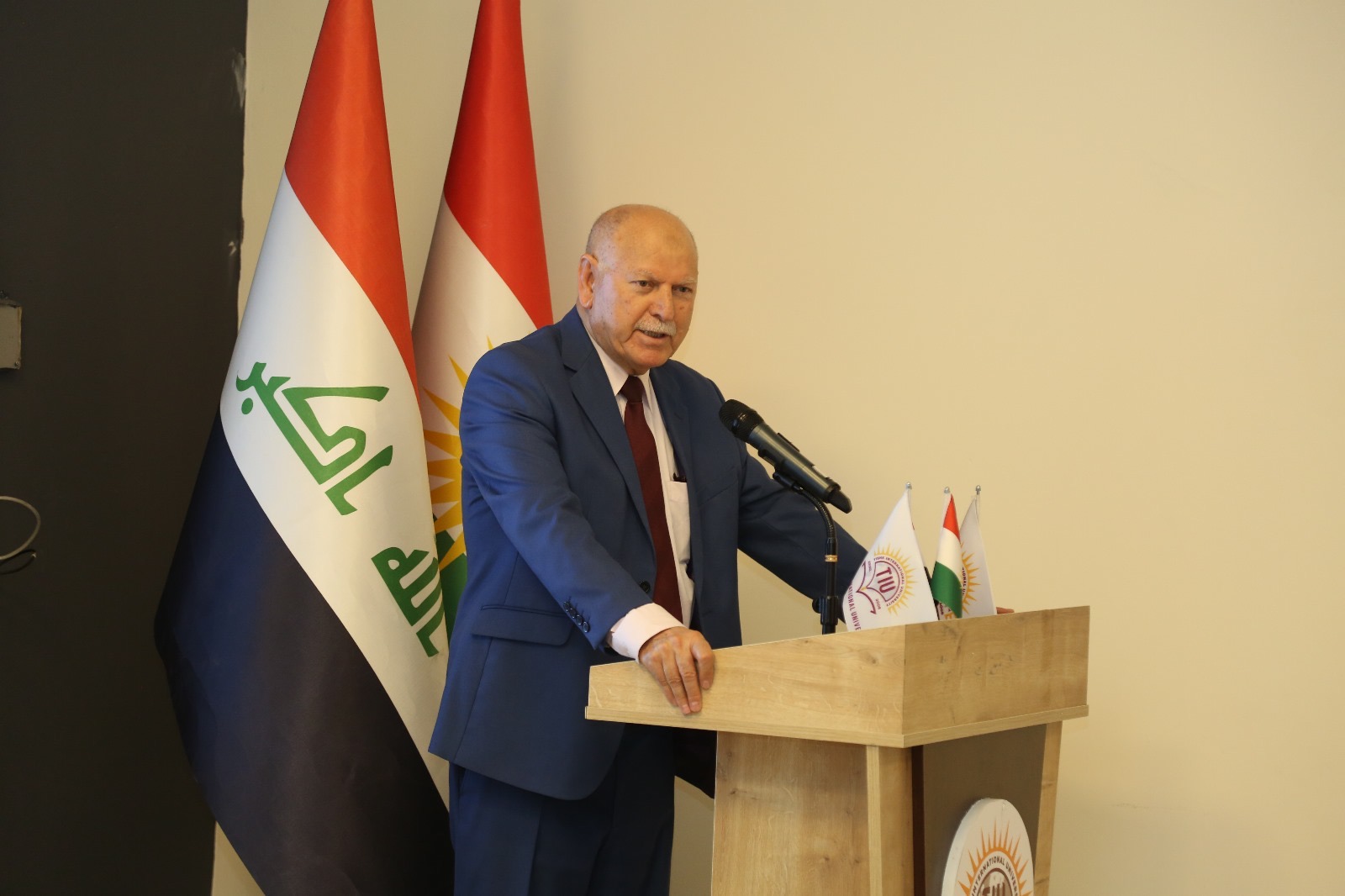
The workshop began with an opening remark by the Head of International Relations and Diplomacy Department, Dr. Mohammad Salih Mustafa. Professor Dr. Sultan Abu Orabi, President of Tishk International University warmly welcomed the participants and highlighted the importance of the event for the relevant departments across Kurdistan Region. He thanked the IRD Department and its Head of Department for organizing such a significant event and wished the participants a productive outcome.
The first session found the reasons for the fall in student enrollment in Political Science and International Relations and Diplomacy to include breadth and scope of the IR field, monopolization of careers, market demand, lack of clarity and knowledge, absence of specific job titles, family and social factors, promotion and marketization and general trends in Iraq.
The second session identified the implications of the fall as higher education imbalance, impact on professional expertise, societal consequences, quality of education and society,
The third session suggested solutions as enhancing career connections, rationalizing department numbers, activation of job titles, creating governmental links, coordinating student admissions with market demand, specializing within the IR field, raising awareness among high school students, conducting research to address the decline.
Finally, the Head of International Relations and Diplomacy Department, Dr. Mohammad Salih Mustafa expressed his sincere gratitude to all participants for their valuable contributions and recommendations, which would help significantly in addressing the decline in enrollment of students in Political Science and International Relations and Diplomacy programs.