
IRD Department Organizes International Workshop on Conflicts, Types and Implications
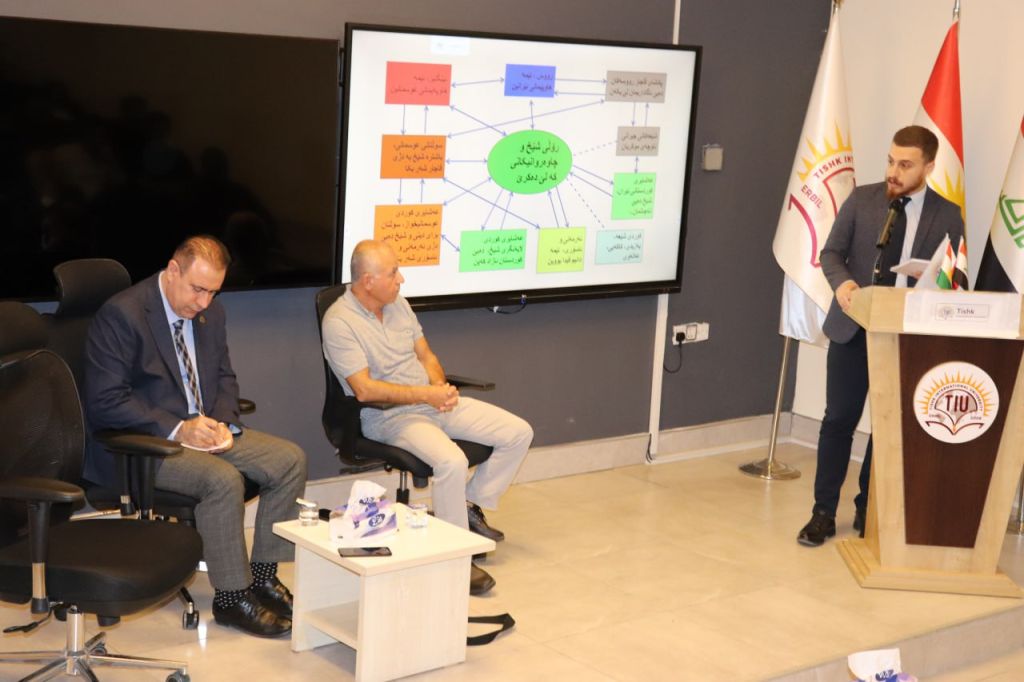
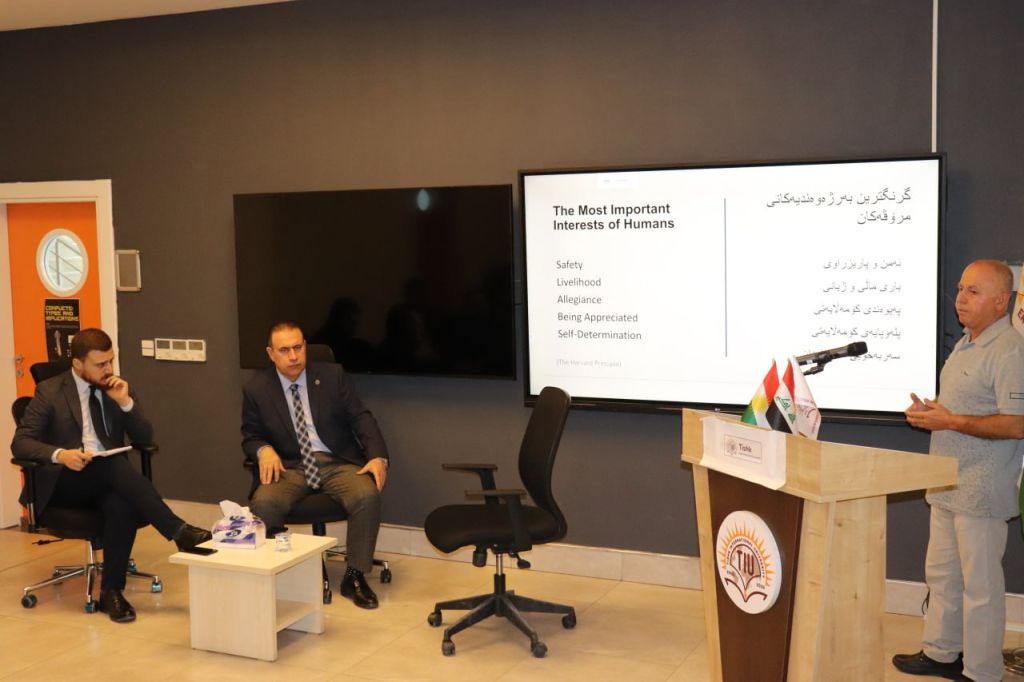
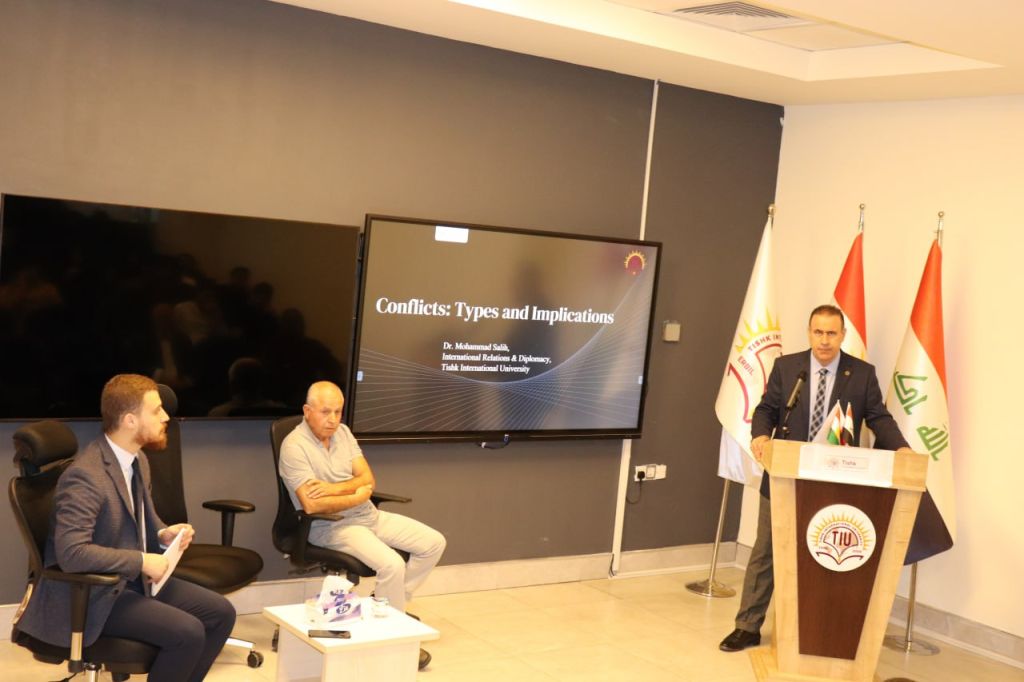
On October 16th, 2023, the International Relations and Diplomacy Department, Faculty of Administrative Sciences and Economics (FASE) at Tishk International University (TIU) organized an International Workshop on “Conflicts: Types and Implications.” The workshop began with a welcome address by the moderator, Mr. Bayad Sarwar, who introduced the two distinguished speakers, Dr. Ali Mazoudji, a Vienna-based scholar and Dr. Mohammad Salih Mustafa, the Head of IRD Department.
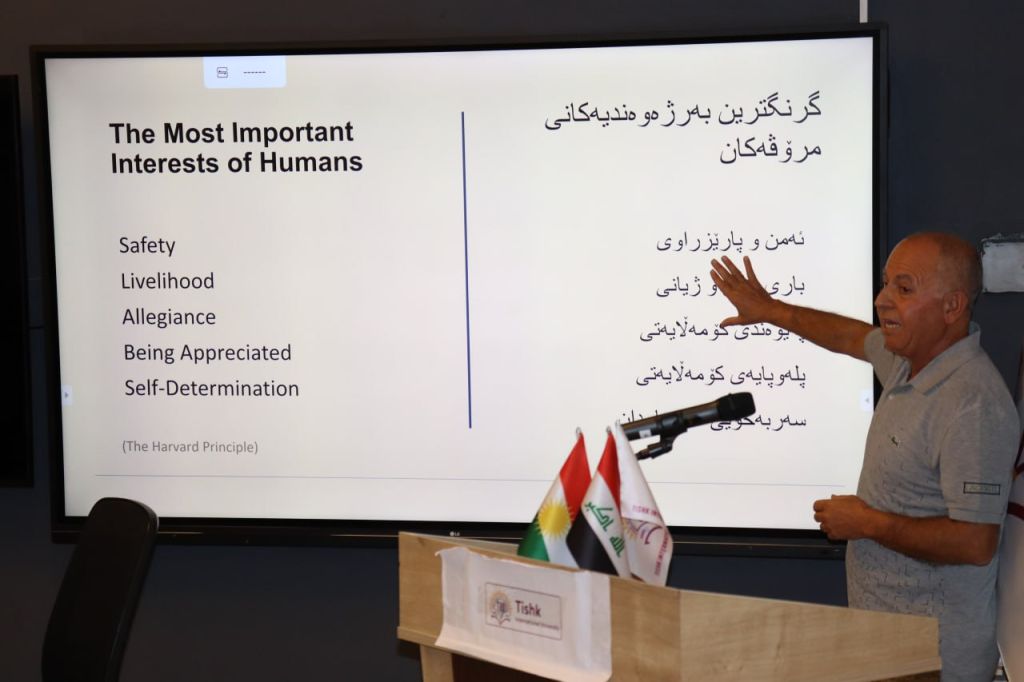
The first distinguished speaker, Dr. Ali Mazoudji explained the concept of conflict, types and implications for the stability and progress of society. He categorized conflicts into intrapersonal, interpersonal and structural conflicts. The intrapersonal conflict is divided into conflict of motivation, conflict of decision, role conflict and psychical conflict. Interpersonal conflict is divided into factual conflict, conflict of interest, conflict of relationship and conflict of values. Social-structural, religious-structural and public-structural conflicts are structural conflicts. Dr. Mazoudji also took the audience through the nine levels of conflict escalation as tension, debate and polemic, actions instead of words, images and coalitions, loss of face, threat strategies, limited destruction, annihilation and together into the abyss.
The second distinguished speaker, Dr. Mohammad Salih Mustafa explained the reasons that lead to social conflicts as jealousy, greed, power and control. He also traced the origin of conflict to human nature, while making reference to the ideas of Thomas Hobbes, John Locke and Jean-Jacques Rousseau on social contract theory as the arrangement or agreement that provided a platform for the management of conflicts, protection and promotion of the welfare of people. This is in contrast to what was obtained in the state of nature, which was similar, in all ramifications, to anarchy. Dr. Mustafa further identified and explained the conflicts that have characterized the Middle East thus far as religious and sectarian-rooted conflicts, the Kurdish issue and wider conflicts, Israeli-Palestinian conflict, new Shiite-Sunni conflict, Arab-Arab conflict, Turkey-Iran conflict, Turkey-Arab conflict, etc.
The following recommendations were given by the distinguished speakers:
- Ensuring fair and effective political leadership.
- Creating an atmosphere of communication, empathy, compromise and a shared focus.
- Respect for Diversity.
- Ensuring social and distributive justice.
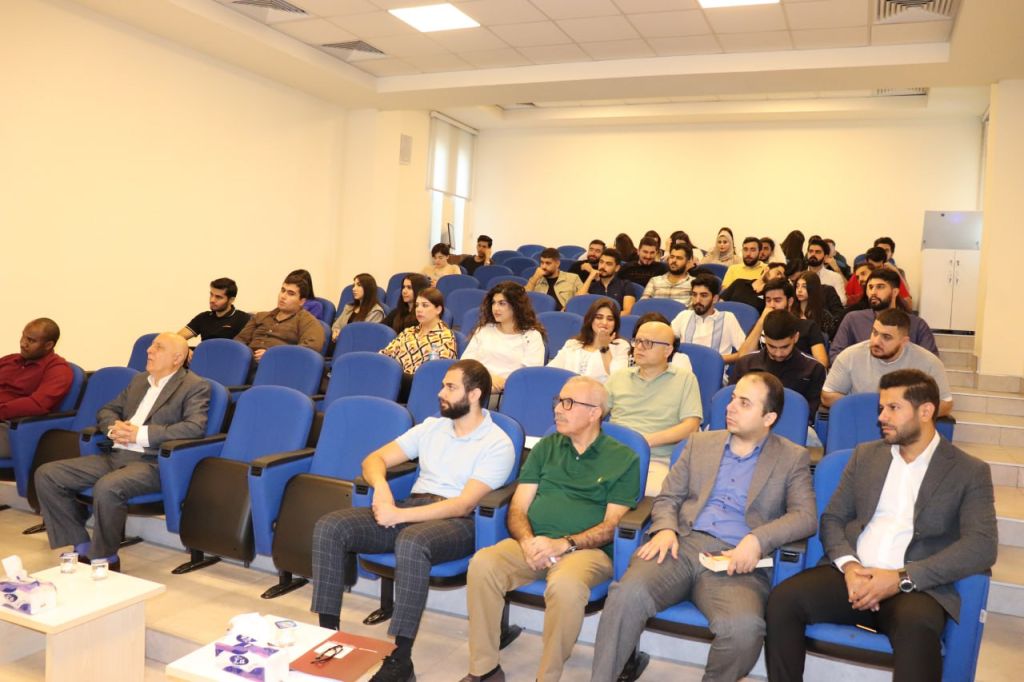
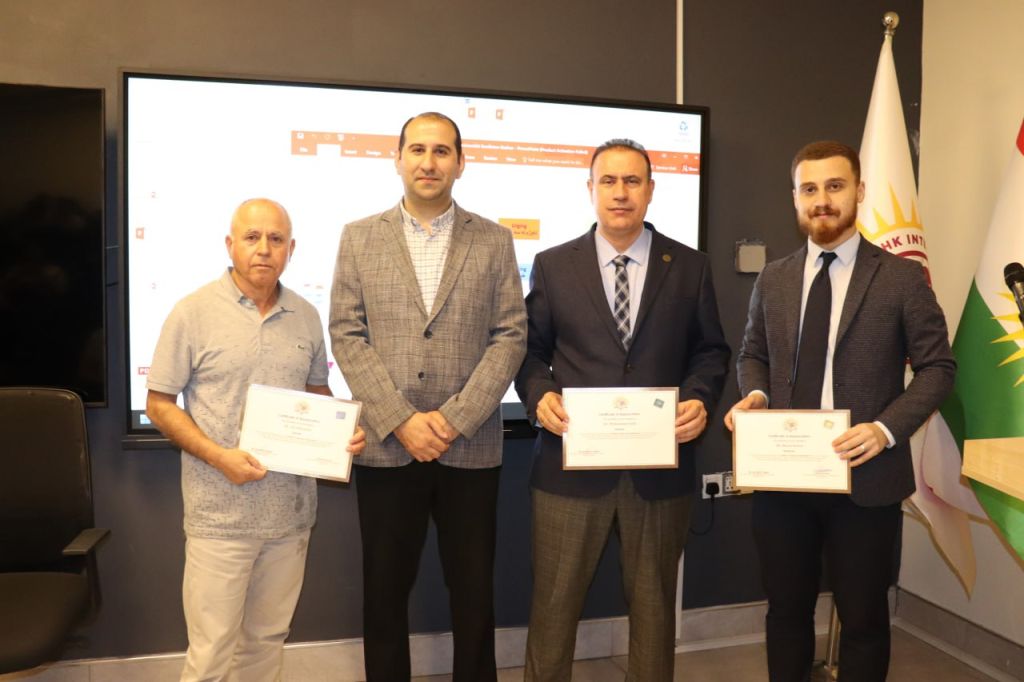
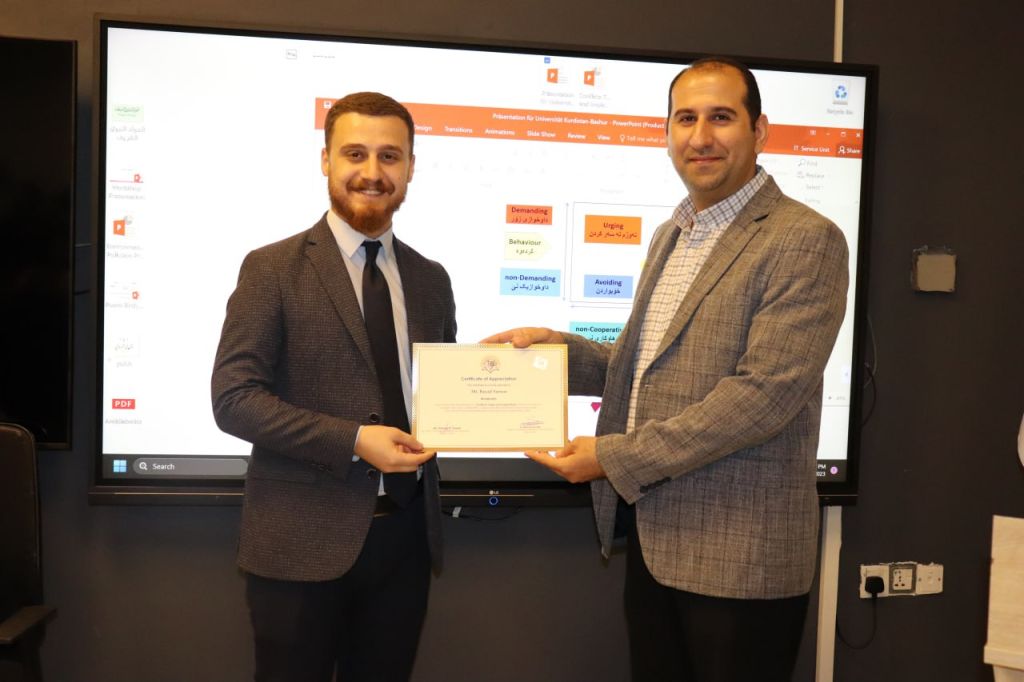
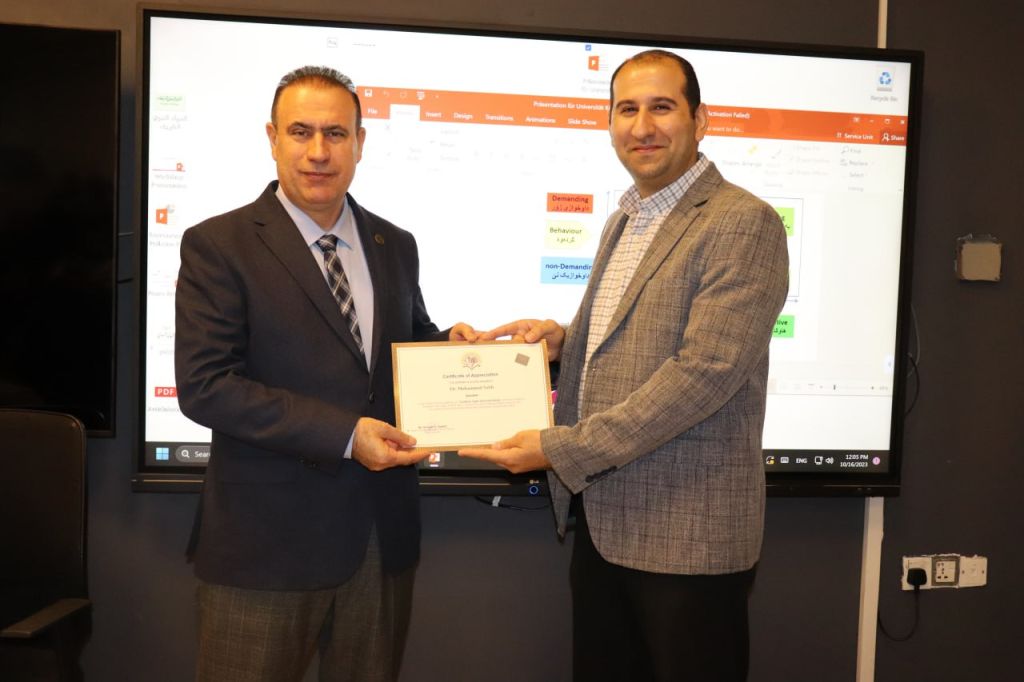
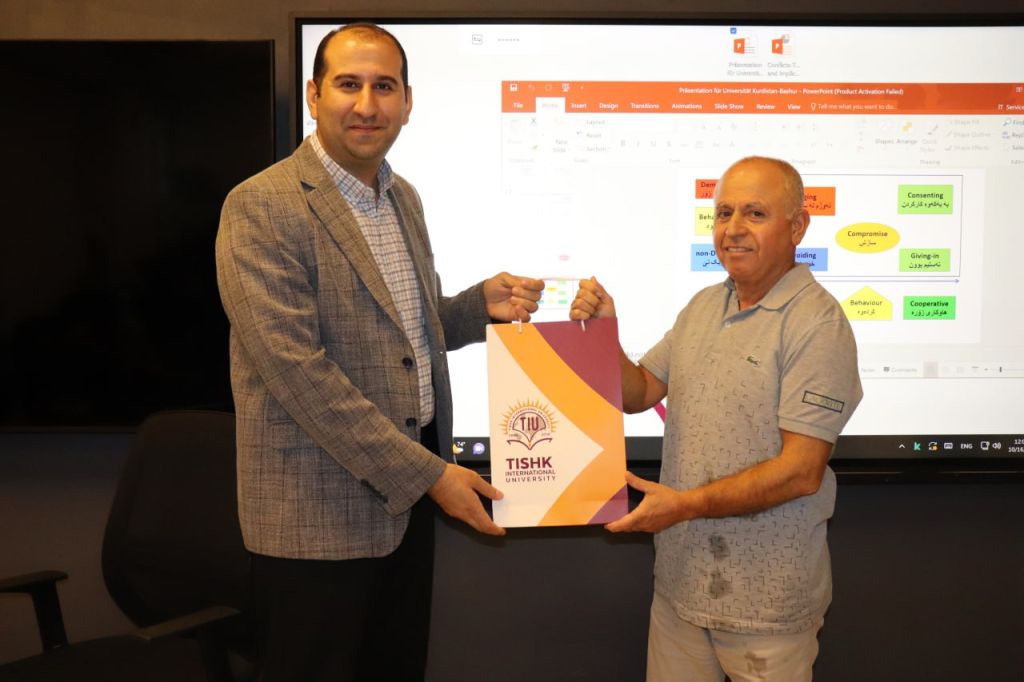
The Q & A session followed, where the speakers answered all the questions that were asked by participants, including TIU academics, students and international participants. Finally, certificates of appreciation were given to the speakers and moderator by the Vice Dean of the Faculty of Administrative Sciences and Economics, Mr. Karwan Sherwani.