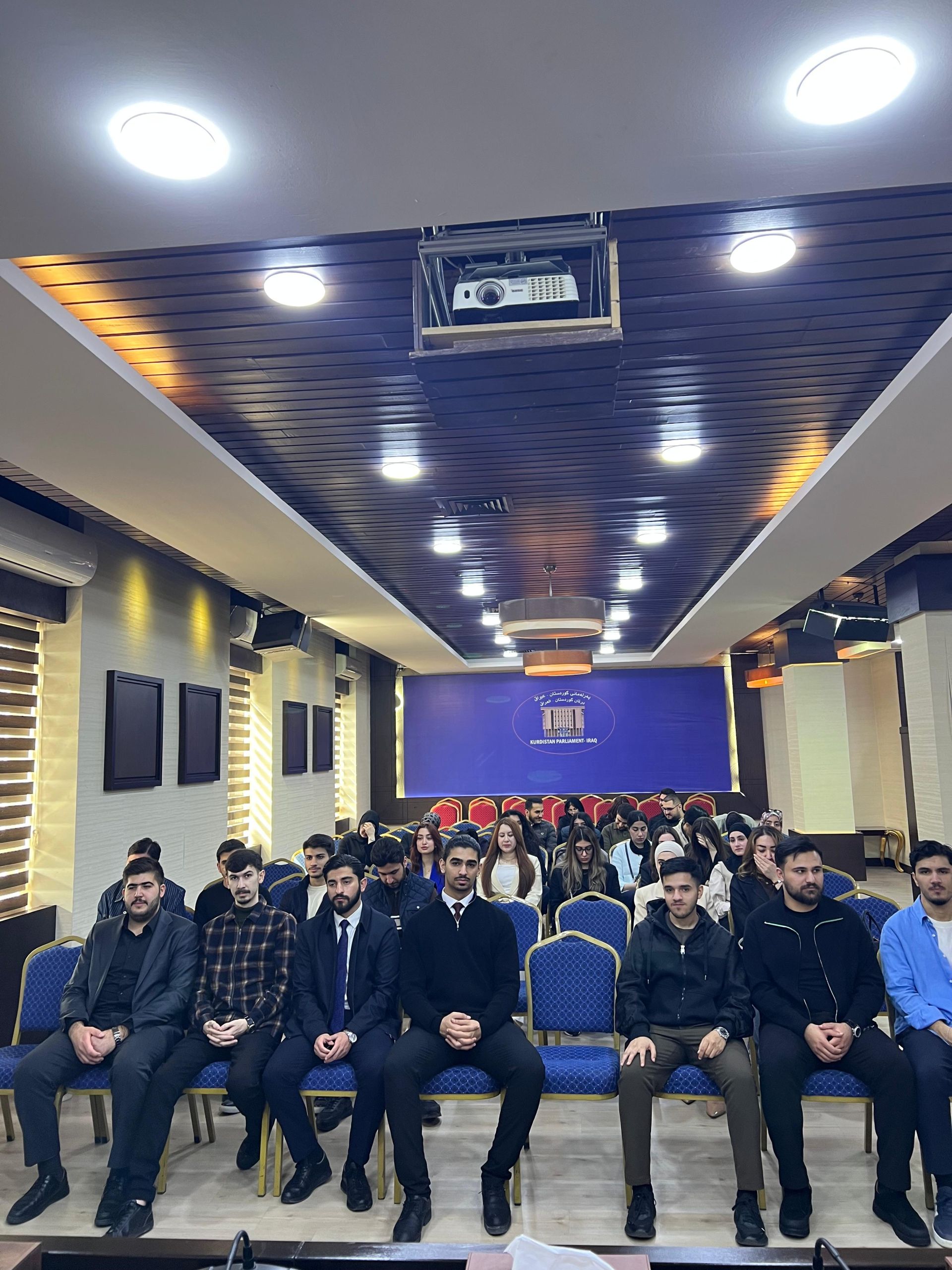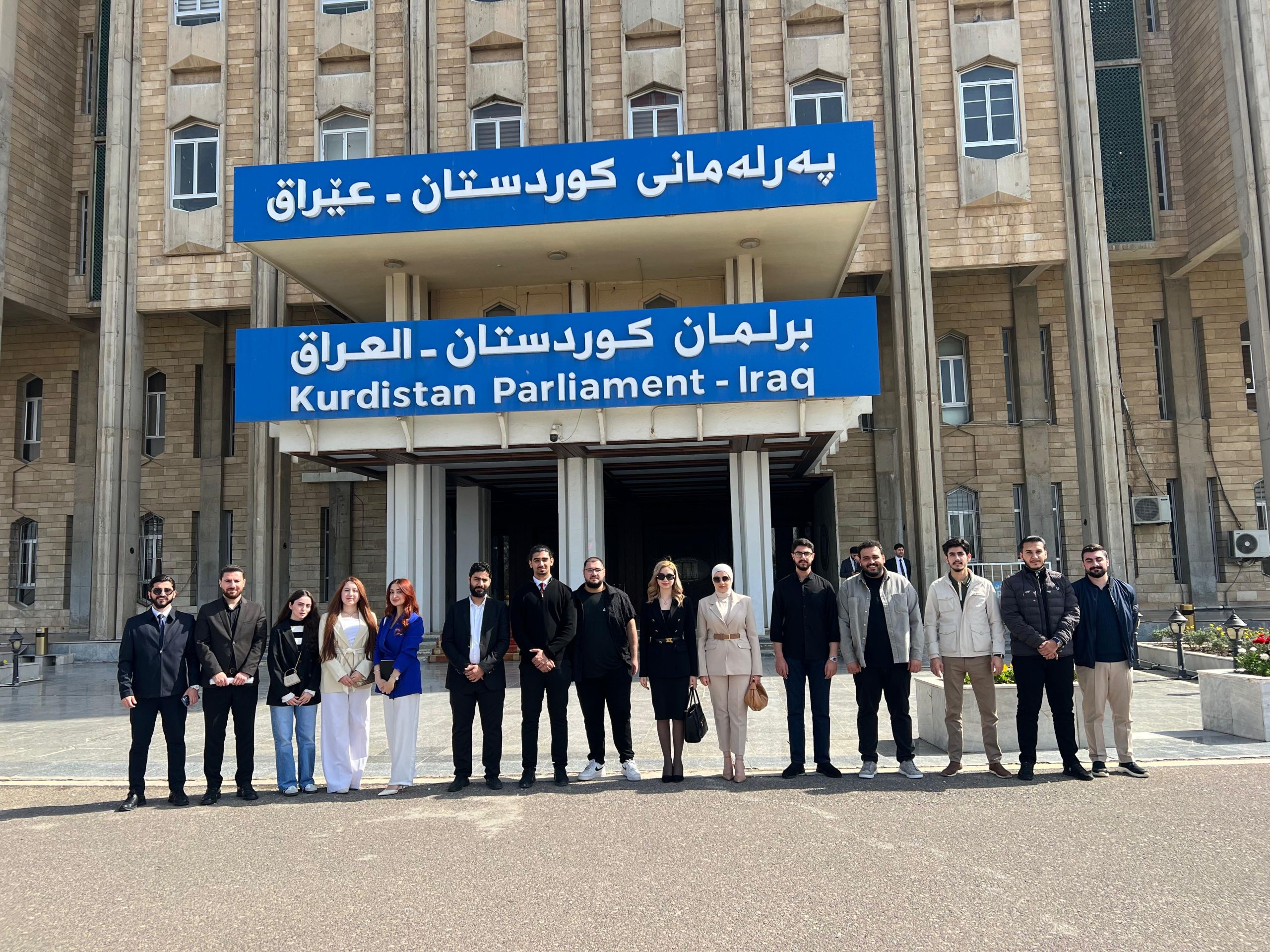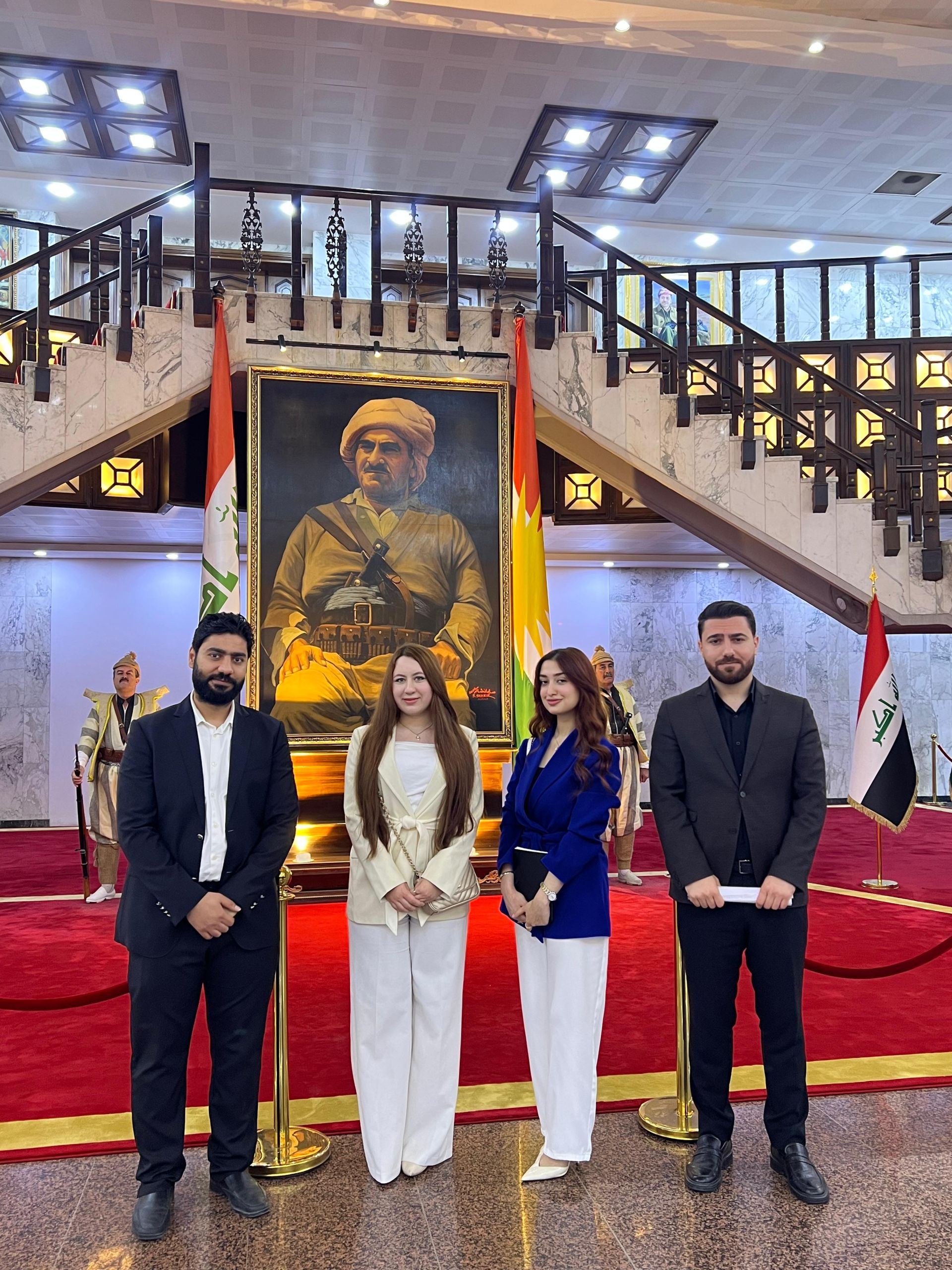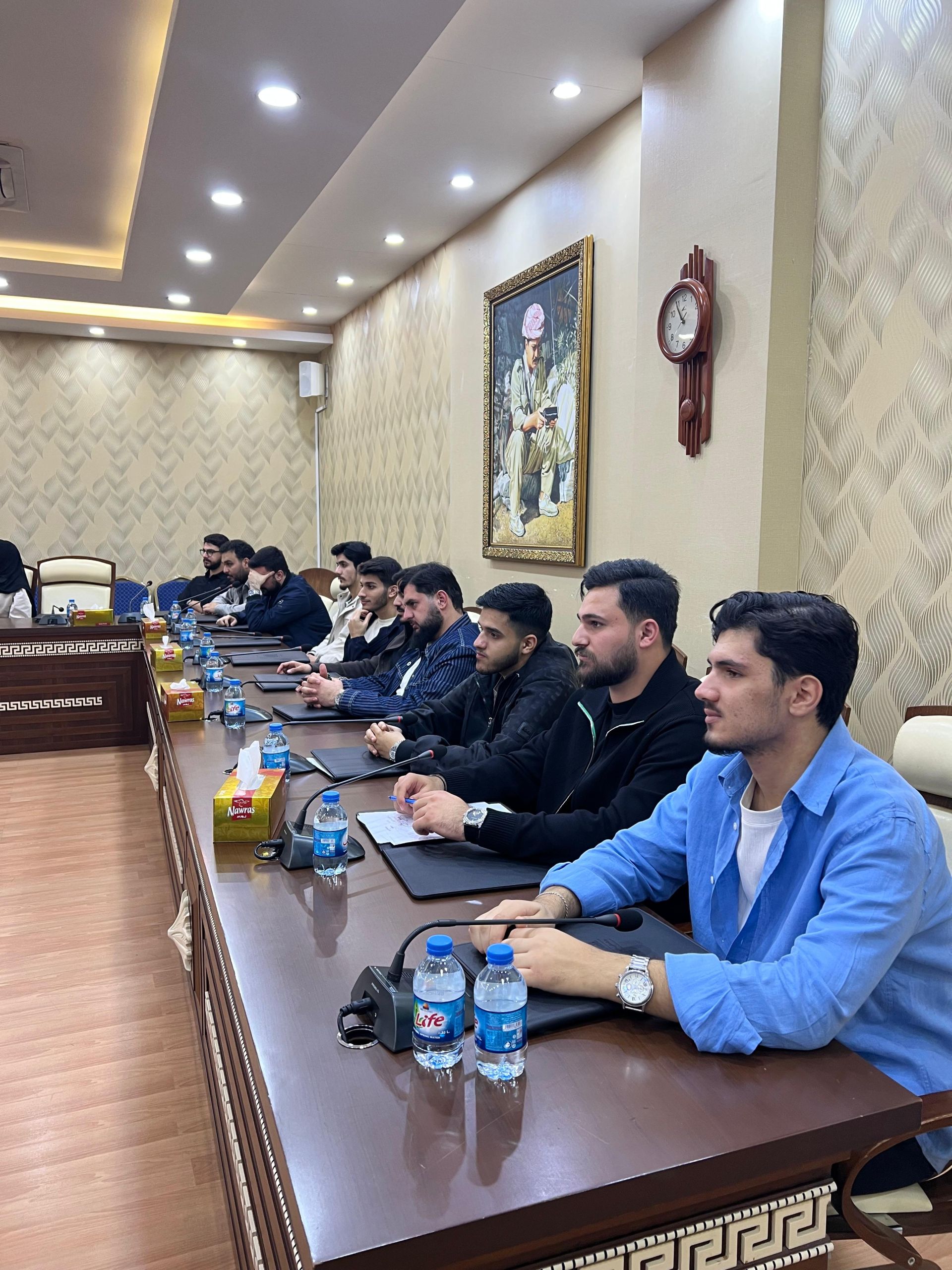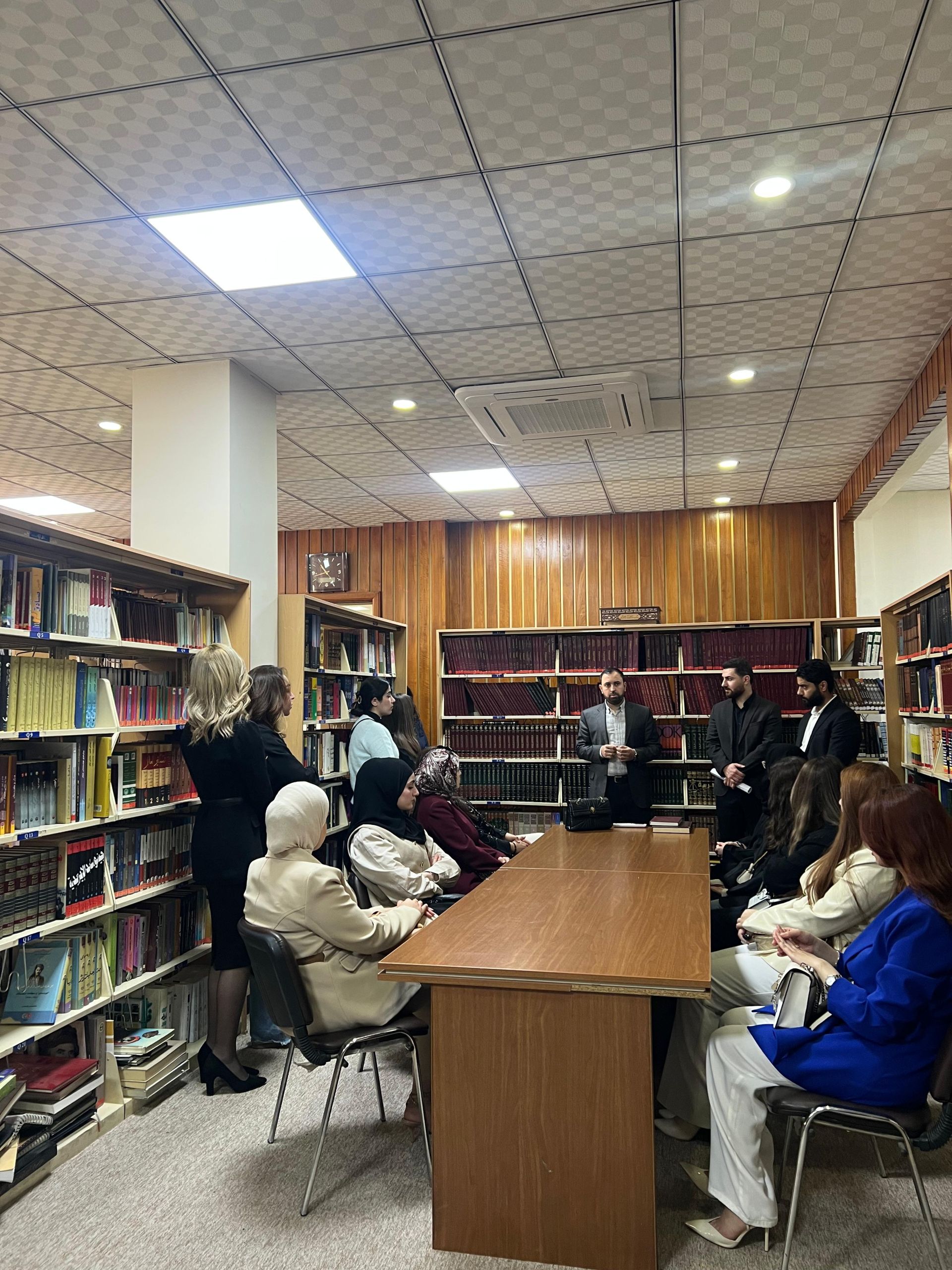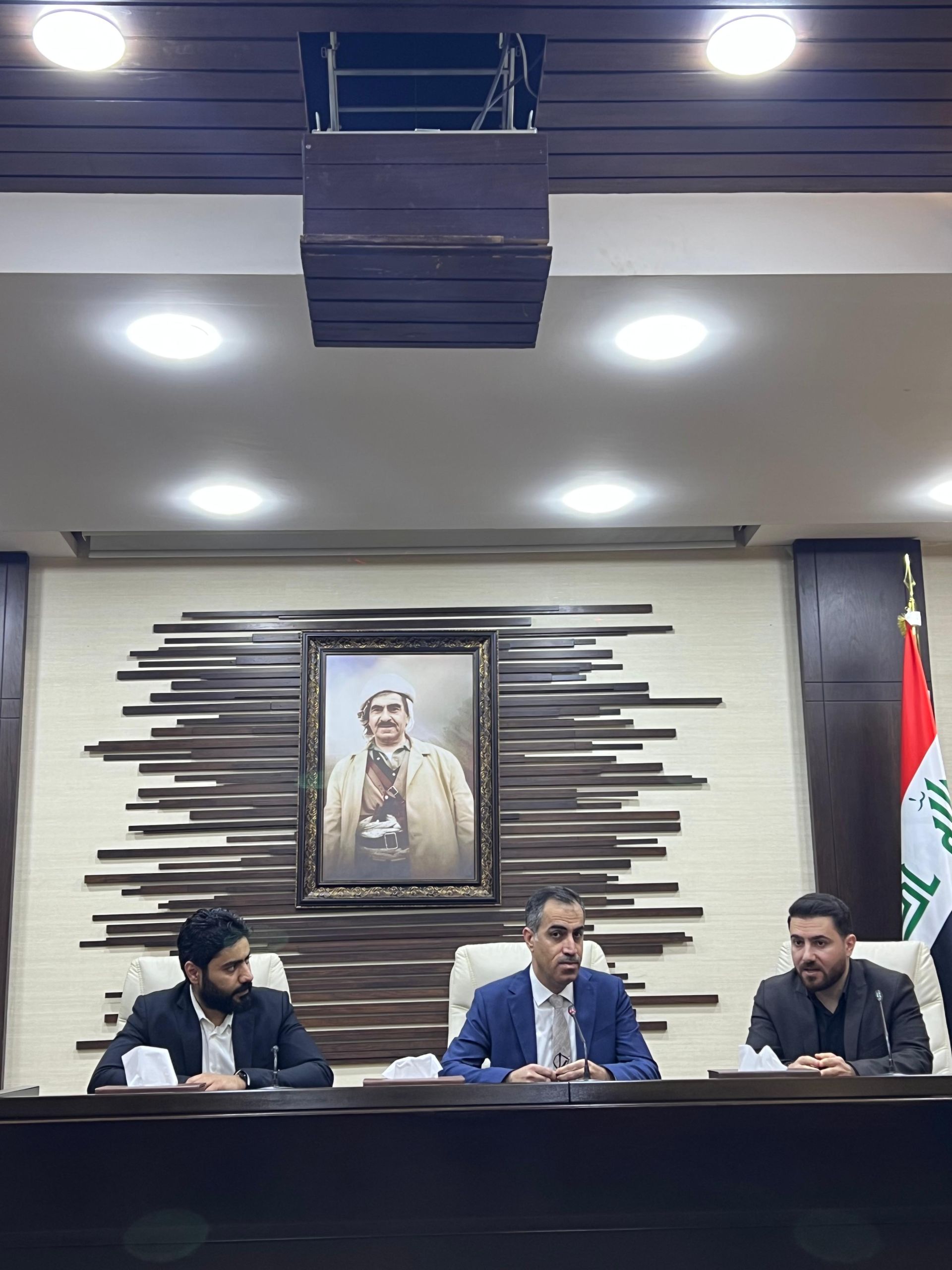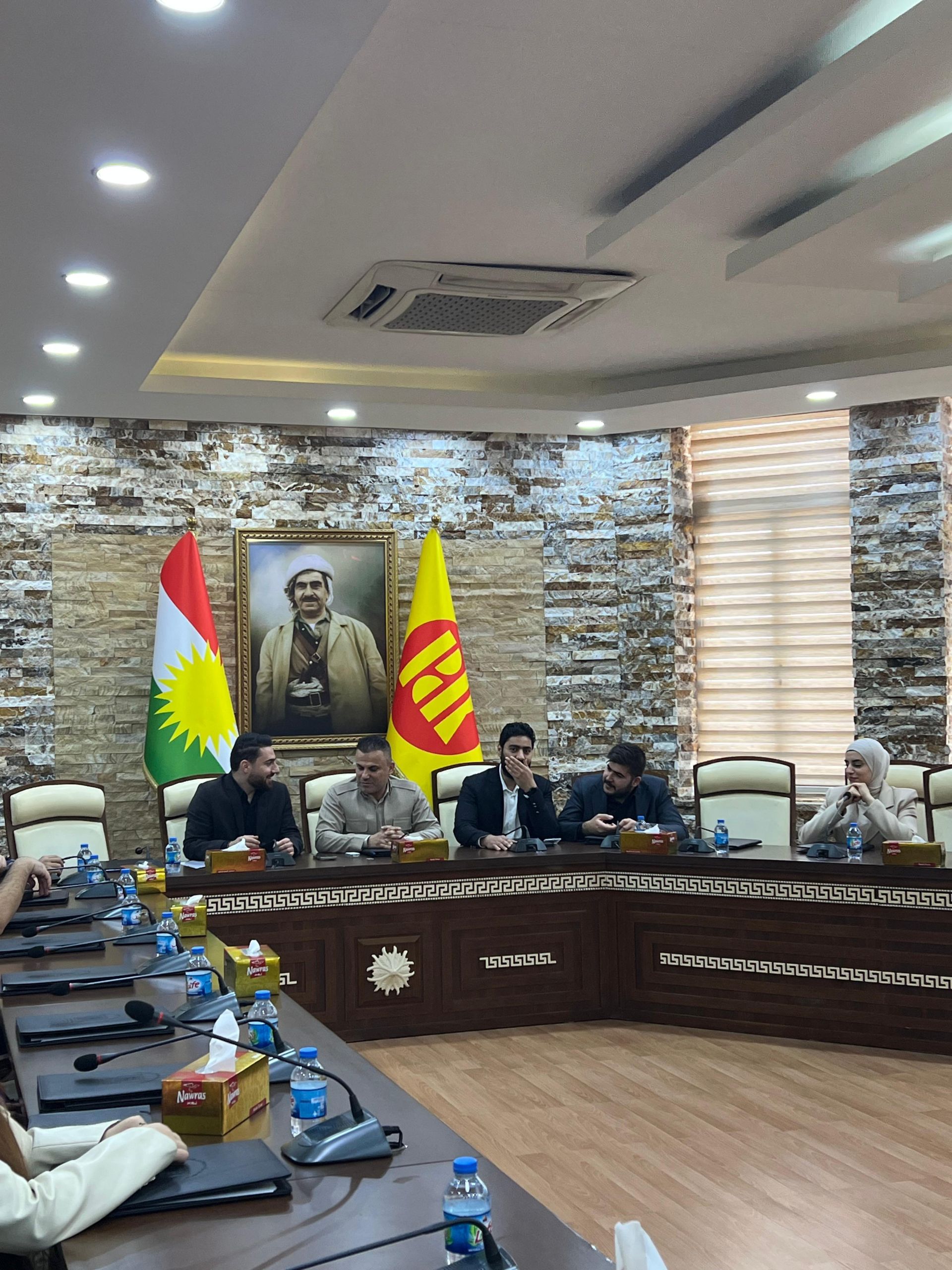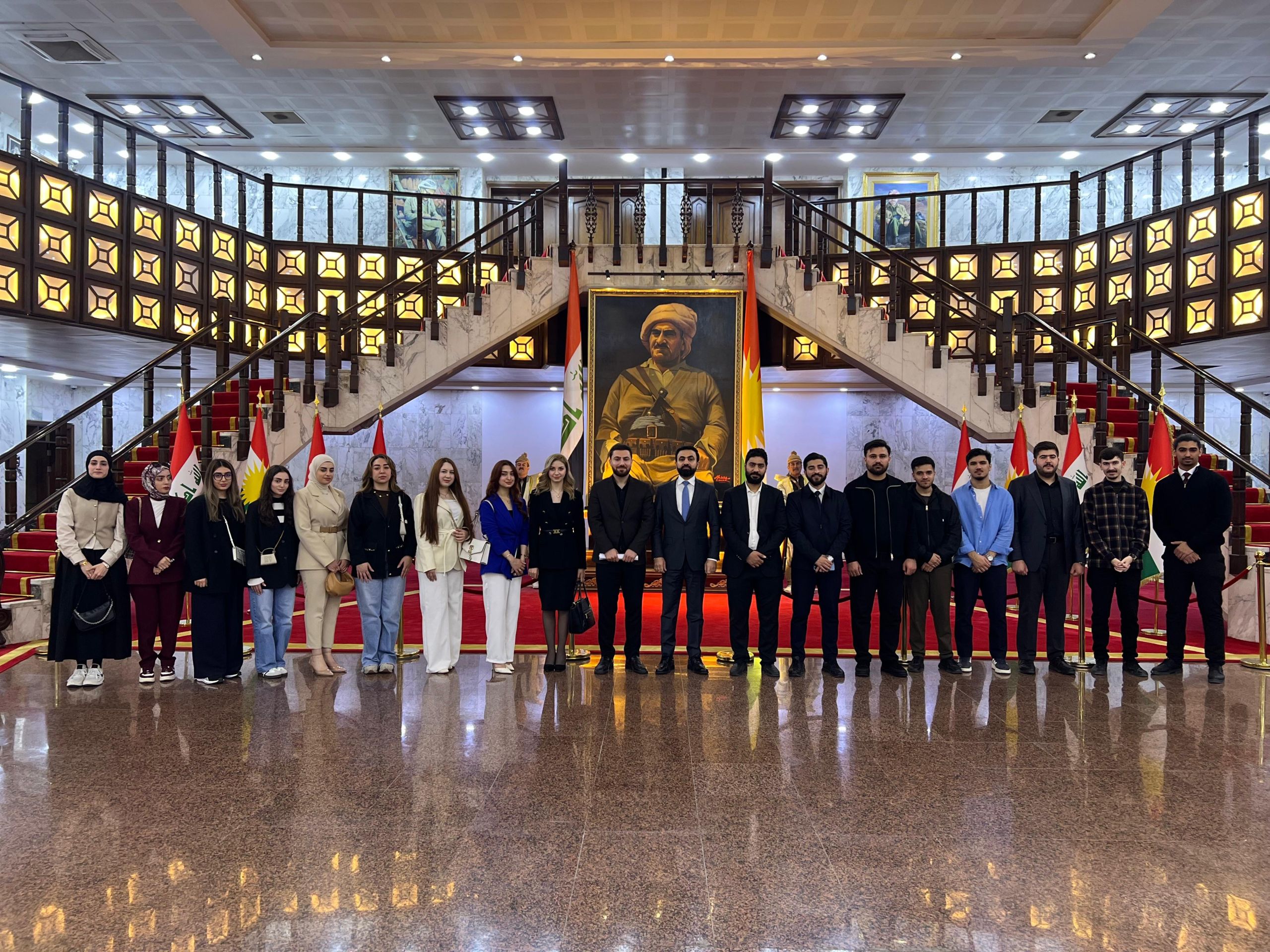

On Sunday, February 22, the Department of Business and Management organized an educational site visit to the Kurdistan Region Parliament for students enrolled in the Commercial Law course, as part of its continued effort to connect classroom learning with real-world experience. The visit was arranged and led by course instructor Dr. Omar Farouk, who accompanied the students throughout the program.
The visit gave students the opportunity to step outside the classroom and witness, up close, how laws are written, reviewed, debated, and ultimately put into practice. Guided by parliamentary staff, the group toured several departments within the institution, gaining insight into the structures and procedures that support the region’s legislative process — from legal drafting and review to the administrative work that keeps the parliament running on a daily basis.
For students who have spent the semester studying the foundations of commercial law, the experience added a meaningful new dimension to their learning. Seeing the legal principles discussed in lectures reflected within a real legislative institution helped bridge the gap between academic theory and professional practice, giving the group a clearer picture of how the legal system they study actually functions.
Reflecting on the purpose of the visit, Dr. Omar Farouk shared:
“Reading about the law is one thing, but standing inside the institution where it is shaped and applied is an entirely different experience. Visits like this help our students see the bigger picture — how legal knowledge connects to real institutions, real processes, and real responsibilities they may one day be part of.”
Throughout the day, students had the chance to ask questions and engage directly with parliamentary staff, deepening their understanding of how a legislative body operates behind the scenes.
The Department of Business and Management would like to extend its sincere thanks to the Kurdistan Region Parliament for its warm hospitality and for hosting such an enriching visit. Experiences like this reflect the department’s broader commitment to preparing students not only academically, but professionally — equipping them with practical insight they will carry into their future careers.